
News
Charcoal boom threatens Nigeria’s forests, livelihoods, and climate future

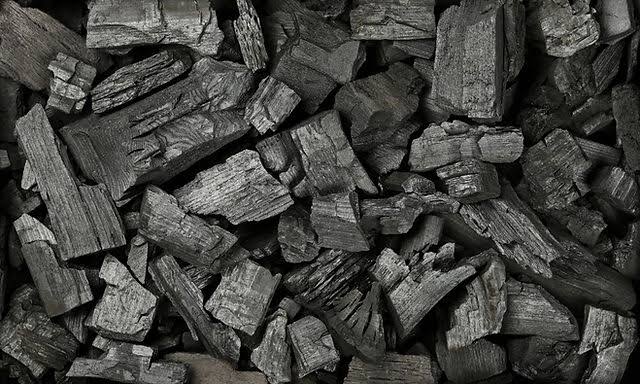

The Nigerian government has raised the alarm over the country’s booming charcoal trade, warning that it is fast becoming a major threat to forest survival, biodiversity, and the livelihoods of millions.
Speaking at a high-level stakeholders dialogue on Wednesday in Abuja, Dr. Aishetu Ndayako, Permanent Secretary of the Ecological Project Office (EPO), described the charcoal industry as a double-edged sword vital for energy, yet devastating to Nigeria’s forests.
“Charcoal remains a lifeline for millions,” she stated, “but its unregulated trade is fueling an environmental crisis of massive proportions.”
Organised by the Centre for Renewable Energy and Action on Climate Change CREACC NG and supported by EkoEnergy, the event themed “Trade and Trees , Rethinking Charcoal Production and the Vanishing Forests” brought together government leaders, environmental advocates, and academics to confront the country’s growing ecological emergency.
With over 70% of Nigerians depending on biomass for cooking, Dr. Ndayako revealed that entire ecosystems are being wiped out to feed both domestic demand and foreign exports. She painted a grim picture: forests under siege, biodiversity vanishing, and carbon sinks destroyed with little to no replanting efforts.
“The demand keeps rising, trees are cut down indiscriminately, and regeneration is nearly nonexistent. What we are witnessing is slow ecological collapse,” she warned.
She called for urgent reforms, including the harmonisation of national forest and biomass energy policies, stronger regulatory enforcement, and grassroots involvement in tree planting, agroforestry, and sustainable woodlot management.
“We must stop treating forests as disposable resources,” she added.
“Cleaner energy alternatives like LPG, biogas, and solar cookstoves must be scaled up—especially in rural and peri-urban communities.”
Also addressing the forum, Minister of State for Education, Prof. Suwaiba Ahmad represented by Mrs. Aminulai Modupe, stressed the need for environmental education in schools.
She championed initiatives like the Diaspora Bridge, which aims to drive research and innovation in STEM-related climate solutions.
“From primary school to universities, students must be taught to value trees, biodiversity, and sustainable living,” she said.
CREACC NG Executive Director, Usman Muhammad, painted an even more startling picture: Nigeria is the largest charcoal producer in Africa and second globally, yet it loses a staggering 1.5 million trees daily—with states like Niger, Benue, and Kogi being hit the hardest.
“This deforestation surge contributes to a 3.5% annual forest loss, CO₂ emissions, land degradation, and even desertification,” he revealed.
“We are facing a ticking environmental time bomb.”
Muhammad urged immediate collective action and announced plans for a National Summit on Forest and Energy Sustainability in June 2026.
As forests vanish and climate impacts deepen, stakeholders say the time to act is now before Nigeria’s green cover becomes nothing more than a memory.


NIGERIA DECIDES

 Davido's Net Worth & Lifestyle
