
Health
World Lung Cancer Day: NCS decries poor diagnosis

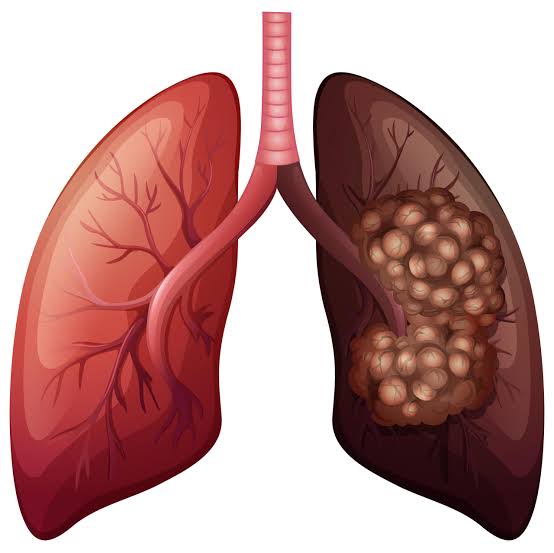

The Nigerian Cancer Society (NCS) has expressed concern over Nigeria’s poor lung cancer diagnosis rates, in spite of the disease being the most commonly diagnosed cancer globally.
President of the Society, Prof. Abidemi Omonisi, made the observation in an interview with our correspondent in Abuja on Friday, in commemoration of World Lung Cancer Day.
Marked globally every Aug. 1, the 2025 theme, “Stronger Together: United for Lung Cancer Awareness,” emphasises the importance of collective awareness and action.
According to Omonisi, lung cancer remains severely underdiagnosed in Nigeria due to poor infrastructure, low public awareness, and inadequate specialist manpower.
Citing Global Cancer Observatory (Globocan) 2022 data, he noted that lung cancer was the most commonly diagnosed cancer in men and the second most common in women worldwide.
He, however, said in Nigeria, it did not rank among the top five.
He explained that for Nigerian men, prostate cancer topped the list, followed by colorectal, liver cancer, lymphoma, and Kaposi’s sarcoma.
He said for women, breast, cervical, colorectal, lymphoma, and ovarian cancers were more commonly diagnosed.
Omonisi attributed the low incidence of reported lung cancer cases to underreporting and the lack of diagnostic tools such as CT scans and MRI machines, which were essential for early detection.
“Unlike breast or prostate cancer that can be detected through physical examination or simple procedures, lung cancer requires advanced imaging. Many centres still lack these facilities,” he said.
He also highlighted the shortage of cardiothoracic surgeons and chest physicians in Nigeria, which leads to frequent misdiagnosis of lung cancer as tuberculosis or other respiratory diseases.
“Cigarette smoking, indoor air pollution from firewood, industrial emissions, and vehicle exhaust are all prevalent in Nigeria, yet lung cancer remains ‘invisible’ in national cancer statistics because we’re not diagnosing it enough,” he added.
Omonisi warned that the real burden of lung cancer in Nigeria was likely severely underestimated, calling for better cancer surveillance and investment in diagnostic infrastructure.
To address the problem, he said the NCS and its partners had launched initiatives such as the National Lung Cancer Consortium and advocacy campaigns for increased funding and infrastructure.
“We’re running a ‘No Smoke Future’ campaign targeting young people, raising awareness about tobacco as a major risk factor.
“We’re also pushing for government investment in diagnostic centres and specialist training,” he said.
He noted that more facilities across the country were being designated as oncology hubs, and the number of specialists in thoracic surgery and pathology was slowly increasing.
“In line with the 2025 global theme, the NCS is working to promote equitable access to lung cancer care.”
Omonisi announced the l of a National Cancer Prevention Fund, aimed at raising N100 billion over five years to support patients, including those with lung cancer.
“Treatment is expensive, and most Nigerians cannot afford it.
“As part of activities marking World Lung Cancer Day, the society is organising rallies, community outreach, and public lectures across various states.
“Plans are also underway for a national survey and genomic study to better understand lung cancer patterns and biology in the Nigerian population,” he said.
Omonisi urged Nigerians to quit smoking, reduce exposure to environmental pollutants, and support awareness campaigns.
He also called on all levels of government to enforce anti-smoking laws and ensure residential areas were protected from industrial emissions.
“We must close the care gap in Nigeria. Lung cancer is here, and we cannot afford to ignore it anymore,” he stressed.
Our correspondent reports that World Lung Cancer Day is observed globally every Aug. 1 to raise awareness about the disease, advocate for early diagnosis, and improve access to treatment.
According to the World Health Organisation (WHO), lung cancer is the leading cause of cancer-related deaths globally, accounting for 1.8 million deaths annually.
Smoking is the primary cause, responsible for approximately 85 per cent of all cases.


NIGERIA DECIDES

 Davido's Net Worth & Lifestyle
