
Health
FG, health leaders move to strengthen emergency, digital health systems

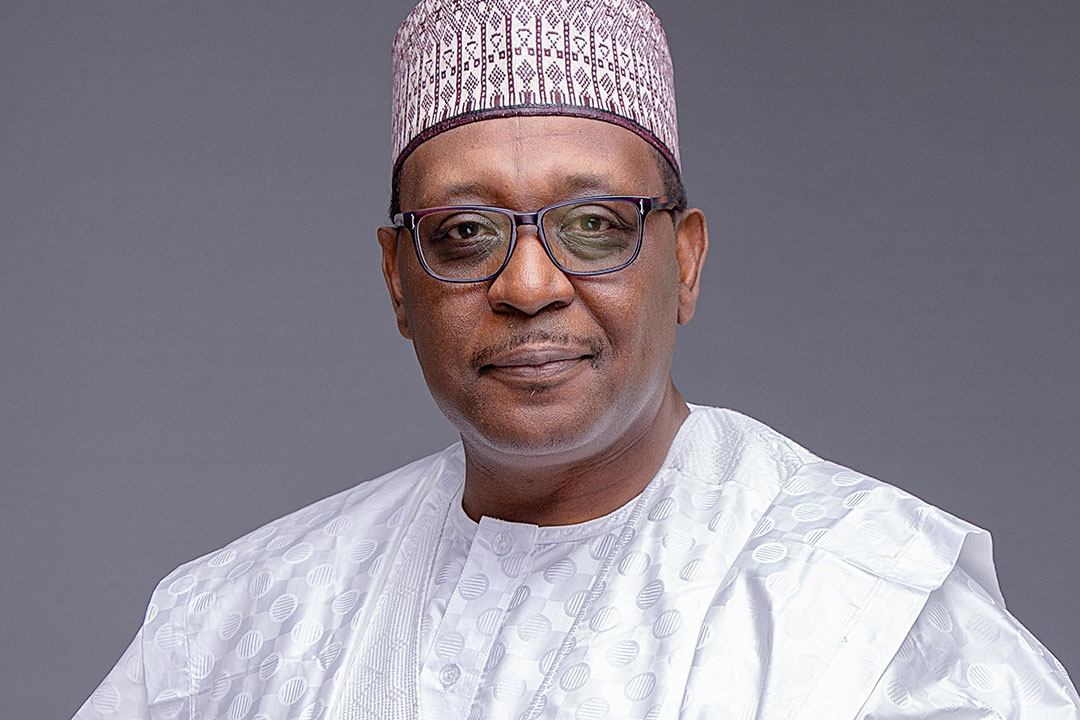

The Federal Government and key health leaders have reaffirmed their commitment to strengthening the country’s emergency medical response and digital health systems.
They pledged the commitment on Wednesday in Abuja, at the 12th Ministerial Oversight Committee (MOC), the Basic Health Care Provision Fund (BHCPF).
Prof. Muhammad Pate, the Coordinating Minister of Health and Social Welfare, said that the reforms would improve coordination across all levels of government and ensure that health data systems and emergency services function in a unified, efficient, and accountable manner.
Pate said that the Federal Ministry was prioritising digital integration, evidence-driven financing, and people-centred reforms to close existing service delivery gaps.
“We are building a coordinated health system that leverages technology and partnerships to serve Nigerians better.
“The goal is to ensure that emergency care, surveillance, and service delivery are fully digitised and responsive to citizens’ needs,” he said.
He said the ministry, in collaboration with states and development partners, was also strengthening the National Emergency Medical Services and Ambulance System (NEMSAS) to provide equitable, affordable, and accessible emergency care nationwide.
The Minister of State for Health and Social Welfare, Dr Iziaq Salako, underscored the need for sustained investments and inter-agency collaboration to institutionalise emergency medical response and digital transformation.
“We must move beyond pilot projects. Our focus now is scale, sustainability, and systems that work seamlessly from the federal to community level,” Salako said.
He said that the government was working closely with the National Council on Health and subnational actors to ensure harmonised implementation of reforms within the health sector renewal investment agenda.
The Executive Secretary of the National Primary Health Care Development Agency (NPHCDA), Dr Muyi Aina, said that the agency was adopting a multi-layered approach to improve awareness and demand creation for emergency services.
Aina explained that collaboration with national and subnational media networks was being intensified to promote access to emergency hotlines and information on available ambulance services.
“We have established an awareness pillar led by communication experts to drive national campaigns on emergency access.
“While the Federal Government coordinates the central message, states will amplify it with their unique emergency numbers,” he said.
He added that the NPHCDA was engaging with the Federal Road Safety Commission (FRSC) and private sector partners to strengthen service delivery logistics and referral linkages.
The Director-General of the Nigeria Centre for Disease Control and Prevention (NCDC), Dr Jide Idris, said that the agency remained committed to integrating emergency preparedness and response with the broader health system reform.
Idris noted that the Centre was upgrading surveillance and laboratory capacity at the subnational level to ensure faster detection and coordinated response to public health threats.
“Our goal is a resilient system that can anticipate, detect, and respond swiftly to outbreaks and emergencies anywhere in the country,” he said.
The Chairman of the National Emergency Medical Treatment Committee (NEMTC), Prof. Ismail Jibrin, called for stronger coordination, transparency, and synergy among federal, state, and private actors in the emergency response system.
Jibrin urged stakeholders to avoid duplication of efforts and to adopt a unified digital health information exchange to improve data sharing and decision-making.
“We must ensure interoperability, accountability, and a shared sense of ownership.
“The effectiveness of Nigeria’s emergency system depends on how well we coordinate and sustain what we have started,” Jibrin said.
He added that the committee would continue working with NEMSAS, NPHCDA, and other partners to build a responsive and equitable emergency medical treatment system across the country.
Our correspondent reports that the meeting, attended by state health commissioners, donors, and technical partners, resolved to align federal and state digital health initiatives under a single coordination framework, strengthen human resource capacity, and expand emergency response coverage nationwide.


NIGERIA DECIDES

 Davido's Net Worth & Lifestyle
