
Health
Lassa cases drop, deaths remain high – NCDC

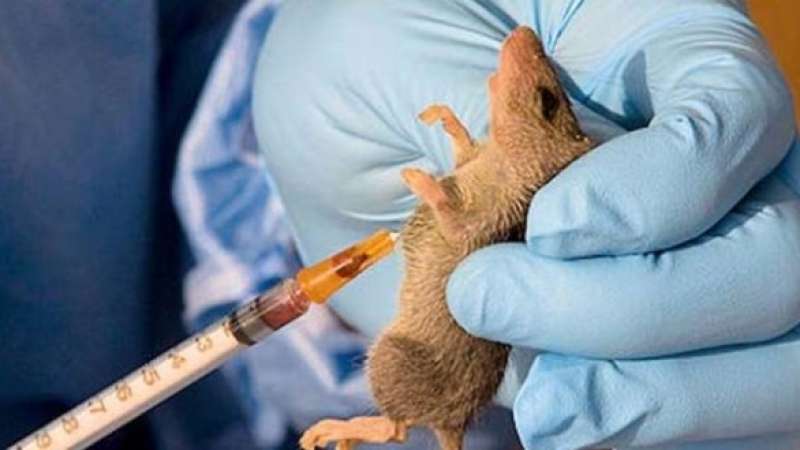

Nigeria has reported a slight drop in new Lassa fever cases in epidemiological week 45, even as the disease’s fatality rate continues to rise, the Nigeria Centre for Disease Control (NCDC) said.
The agency reported on its official website that ten confirmed cases were documented between Nov. 3 and 9, reflecting a decline from the twelve cases reported nationwide during the previous epidemiological week.
NCDC noted that the infections were detected in Ondo and Edo, two states that had consistently remained hotspots for Lassa fever, contributing significantly to Nigeria’s annual caseload and sustained transmission patterns.
“In spite of the reduction in confirmed infections, the Case Fatality Rate has risen to eighteen point two percent in twenty twenty-five, exceeding the sixteen point four percent recorded during the same reporting period in twenty twenty-four.”
According to the centre, Nigeria has recorded 178 deaths from 976 confirmed cases so far in 2025, highlighting ongoing concerns about disease severity and late detection nationwide.
The NCDC report showed that 21 states had logged at least one confirmed case across 102 Local Government Areas, with Ondo, Bauchi, Edo and Taraba accounting for most recorded infections nationwide.
It added that the most affected demographic remained adults aged 21 to 30, with a median age of 30, while the male-to-female infection ratio standing at one to zero point eight in 2025.
The agency confirmed that one additional healthcare worker was infected during epidemiological week 45, bringing the total number of affected health personnel in 2025 to 24 across the country.
NCDC said it was sustaining a multi-sectoral response through the National Lassa Fever Technical Working Group, involving rapid response deployments, laboratory optimisation, case management training and intensified community sensitisation in high-burden locations.
However, the centre highlighted challenges such as late case presentation, poor health-seeking behaviour, limited community awareness and inadequate environmental sanitation, factors that continued to drive high mortality among infected individuals nationwide.
The agency urged state governments to increase continuous community engagement on prevention, advising health workers to maintain high suspicion levels and ensured timely referral and treatment to curb complications and reduced overall fatality.
Our correspondent reports that Lassa fever remains endemic in Nigeria and is commonly transmitted through food or household items contaminated by the urine or droppings of infected rodents.
It is also spread through direct contact with the blood, urine, faeces or other bodily fluids of infected persons during outbreaks, increasing the risk of transmission in homes and healthcare settings.


NIGERIA DECIDES

 Davido's Net Worth & Lifestyle
