
News
Mixed reactions trail NCS mandatory drug-test directive

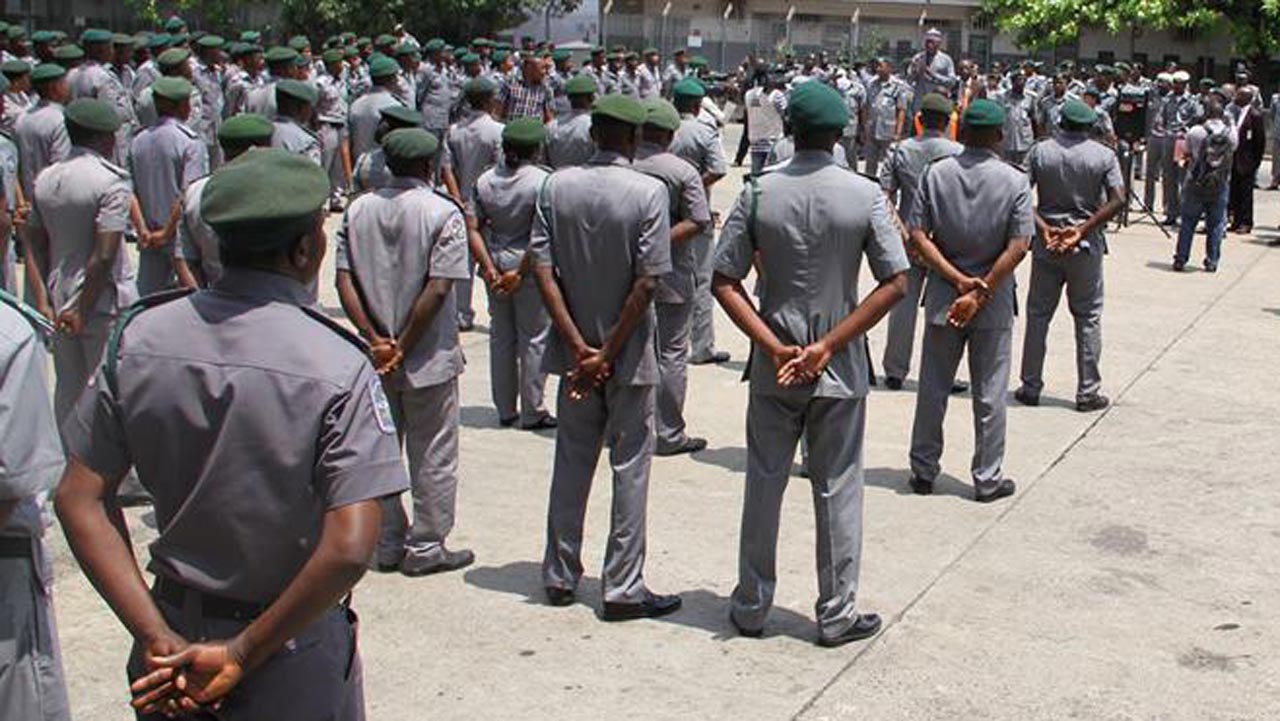

Stakeholders have expressed mixed reactions to the directive issued by the management of the Nigeria Customs Service (NCS) requiring incoming recruits to undergo a drug test.
The Comptroller-General of NCS, Bashir Adeniyi, recently announced that arrangements had been concluded to subject all incoming personnel to a mandatory drug test, including serving officers.
Adeniyi said that the measure was introduced to prevent compromise in the service’s operations.
He said that it was conceived due to reports of incidents where erratic behaviour or poor decision-making in some commands was later linked to substance misuse.
While some stakeholders applauded the directive, describing it as a renewed commitment to strengthening professionalism, others said that the focus should instead be on enhancing personnel welfare.
A customs expert, Dr Eugene Nweke, said that the move reflected a proactive leadership posture and a renewed commitment to strengthening professionalism, operational integrity and institutional accountability within the service.
Nweke said that the NCS, as a frontline revenue, security and trade-regulation agency, held a strategic position in Nigeria’s economic and national-security architecture.
According to him, the service requires officers entrusted with sensitive responsibilities to maintain full mental, physical and ethical alertness.
He applauded the move, stating that it aligned with global best practices for enforcement and border-management institutions that aim to maintain discipline, enhance public trust and safeguard institutional reputation.
He, however, said that the long-term value of the directive would depend on how effectively and credibly it was implemented.
“To ensure sustainability, fairness and measurable impact, best-practice guidelines such as establishing transparent and standardised testing protocols should be considered.
“Drug testing must be conducted using certified laboratories and internationally recognised procedures.
“Clear definitions of substances screened, thresholds for positive results and strict chain-of-custody controls will ensure accuracy and prevent misuse or manipulation of the process,” he said.
He said to build trust, the process should be subjected to impartial scrutiny.
He suggested engagement of independent medical experts, ethical observers or oversight institutions to help avoid bias, protect personnel rights and promote transparency.
“A clear appeals mechanism for contested results is also essential,“ he said.
Nweke said that pre-employment tests would act as an entry filter.
He, however, said that periodic and genuinely random screening for serving officers was crucial to discourage selective enforcement and maintain a strong commitment to a drug-free workforce.
According to him, a drug-testing policy is most effective when framed as preventive and corrective rather than punitive.
He said that the drug-testing requirement should be fully integrated into the NCS conditions of service, recruitment guidelines, staff welfare policy and disciplinary frameworks to ensure its sustenance.
“It is a bold and necessary step towards strengthening the discipline, credibility and operational effectiveness of the institution.
“When implemented with fairness, transparency and support mechanisms, it will not only safeguard the integrity of officers but also reinforce public confidence in the Service.“ he said.
Similarly, Philip Jakpor, Executive Director of the Renevlyn Development Initiative (RDI), said that the policy was long overdue.
Jakpor recommended that it covers all security agencies.
A security expert, Dr Abdullahi Jabi, said that the NCS should focus on addressing the underlying triggers that push personnel toward drug use.
Jabi urged voters service to pay particular attention the fear of the unknown that the personnel harbour during surveillance operations.
He said that improved welfare packages, including better remuneration, free housing schemes, adequate training with modern and operational equipment would strengthen officers’ confidence in their operations without resorting to drugs for psychological support.


NIGERIA DECIDES

 Davido's Net Worth & Lifestyle
