
Health
Health Sector 2025: Reform gains and defining moments


In 2025, Nigeria’s health sector reached a pivotal crossroads, driven by reform momentum, increased service utilisation and renewed political commitment, even as deep structural weaknesses continued constraining equitable access to quality healthcare nationwide.
From expanded primary healthcare services to rising health insurance enrolment, the year delivered measurable gains that strengthened public confidence, improved utilisation trends, and advanced Nigeria’s long-term journey toward achieving Universal Health Coverage goals.
A major milestone in 2025 was sustained implementation of the Nigeria Health Sector Renewal Investment Compact, with the Federal Government reporting achievement of 84 per cent of key performance indicators by third quarter.
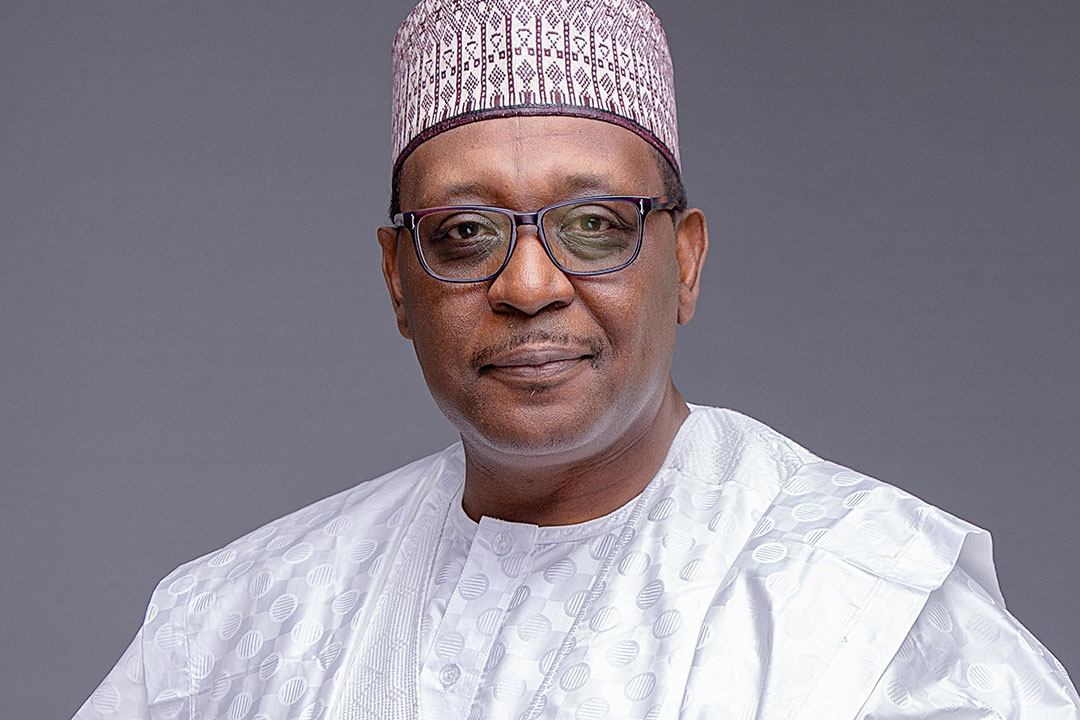
Speaking at the 2025 Nigeria Health Sector-Wide Joint Annual Review in Abuja, the Coordinating Minister of Health and Social Welfare, Prof. Muhammad Pate, said ongoing reforms were rebuilding public trust nationwide.
Pate emphasised that reforms extended beyond policy adjustments, stating they were restoring confidence, rebuilding weakened systems, and renewing hope for Nigerian families seeking accessible, reliable, and affordable healthcare services across communities.
The minister explained that reform priorities focused on governance, accountability, service delivery efficiency and workforce development, spanning federal, state and local government levels to ensure system-wide coordination and measurable performance improvements.
Nigeria’s 2025 federal health budget recorded a notable nominal increase from 2024, with the Basic Health Care Provision Fund receiving enhanced allocations aimed at strengthening frontline service delivery nationwide.
In spite of the increase, health spending represented roughly 5.15 per cent of the national budget, remaining far below the Abuja Declaration’s 15 per cent benchmark and highlighting persistent health financing challenges.
The World Health Organisation continued urging Nigeria and African countries to raise domestic health spending, reduce out-of-pocket payments, and strengthen health system resilience against shocks and emergencies.
Primary Health Care remained the backbone of health service delivery throughout 2025, serving as the foundation for expanded access, disease prevention, and community-level health interventions nationwide.
Data presented at the Joint Annual Review showed PHC visits rose from about 10 million in early 2024 to more than 45 million by mid-2025, reflecting improved outreach, supplies and engagement.
The Nigeria Governors’ Forum announced that all 36 states earmarked a combined N2.36 trillion for health in 2025, with many allocating up to 30 per cent toward PHC services.
At the NGF PHC Leadership Challenge Awards in Abuja, Yobe State emerged as overall best performer, demonstrating strong sub-national leadership and commitment to strengthening frontline healthcare delivery systems.
Executive Director of the National Primary Health Care Development Agency, Dr Muyi Aina, said PHC revitalisation efforts were increasingly visible and delivering tangible improvements nationwide.
Aina reported that more than 2,100 primary healthcare centres were revitalised, with essential medicines and commodities distributed across all 774 Local Government Areas nationwide.
In spite of recorded gains, frontline health workers continued raising concerns about staffing shortages affecting service quality and sustainability, particularly in underserved rural and semi-urban communities.
According to Zainab Musa, a senior Community Health Extension Worker in Gusau, Zamfara State, increased patient turnout strained facilities lacking enough nurses and midwives for night shifts.
She emphasised that improved staffing levels, incentives and welfare packages were essential to sustaining recent gains and preventing burnout among frontline healthcare workers nationwide.
Health financing protection recorded modest improvement in 2025, reflecting incremental progress toward reducing catastrophic out-of-pocket health spending among Nigerian households.
Director-General of the National Health Insurance Authority, Dr Kelechi Ohiri, said insurance coverage expanded to more than 21 million Nigerians, signalling improved financial risk protection nationally.
Ohiri described the expansion as a major step forward, adding that current priorities include extending coverage to informal sector workers and vulnerable populations across the country.
Maternal and child health indicators showed improvements in targeted regions, supported by focused interventions and increased utilisation of reproductive, maternal and newborn health services.
Government data indicated maternal deaths declined by 17 per cent in priority local government areas, alongside higher uptake of family planning and skilled birth attendance services.
However, health advocates cautioned that progress remained uneven, with significant disparities persisting between southern states and northern or rural communities nationwide.
Dr Ngozi Okorie of the Women’s Health and Rights Initiative said that many rural areas still lacked skilled birth attendants and emergency obstetric services, limiting maternal health outcomes.
Nigeria’s health system also confronted infectious disease threats in 2025, testing surveillance capacity and emergency response mechanisms across multiple states.
NCDC Director-General, Dr Jide Idris, reported recurrent outbreaks of Lassa fever, meningitis and cholera, stressing the importance of early detection and rapid response.
Idris emphasised that strengthening early warning systems and response coordination remained critical for preventing avoidable deaths and containing disease outbreaks nationwide.
Health workforce strengthening remained a priority, with new initiatives targeting training expansion, deployment efficiency and equitable distribution across all regions.
In collaboration with WHO, the Federal Government inaugurated Nigeria’s Strategic Directions for Nursing and Midwifery 2025–2030 to address workforce gaps nationwide.
The National Health Fellows Programme continued deploying trained professionals to all 774 local government areas, supporting service delivery, planning and grassroots health policy coordination.
Civil society organisations welcomed recorded progress but warned against complacency amid persistent financing, equity and workforce challenges nationwide.
Dr Uche Okeke of the Health Reform Advocates Network, said without sustained financing and equity-focused policies, many Nigerians would continue facing barriers to quality care.
As 2025 closed, stakeholders agreed the health sector stood at a defining moment shaped by reform momentum, growing trust and emerging multi-sector partnerships.
Experts called for increased domestic resource mobilisation, stronger private-sector engagement and data-driven planning to address gaps in financing, workforce availability and affordability.
Stakeholders are urged to consolidate gains and ensure that every naira invested in health delivers measurable, transparent outcomes that improve lives nationwide.
While progress in 2025 inspired optimism, stakeholders agreed that achieving equitable, quality healthcare for all Nigerians requires sustained political will, adequate financing and active community engagement.


NIGERIA DECIDES

 Davido's Net Worth & Lifestyle
