
SPORTS
Nigeria in AFCON 2025: Wins earned, lessons pending

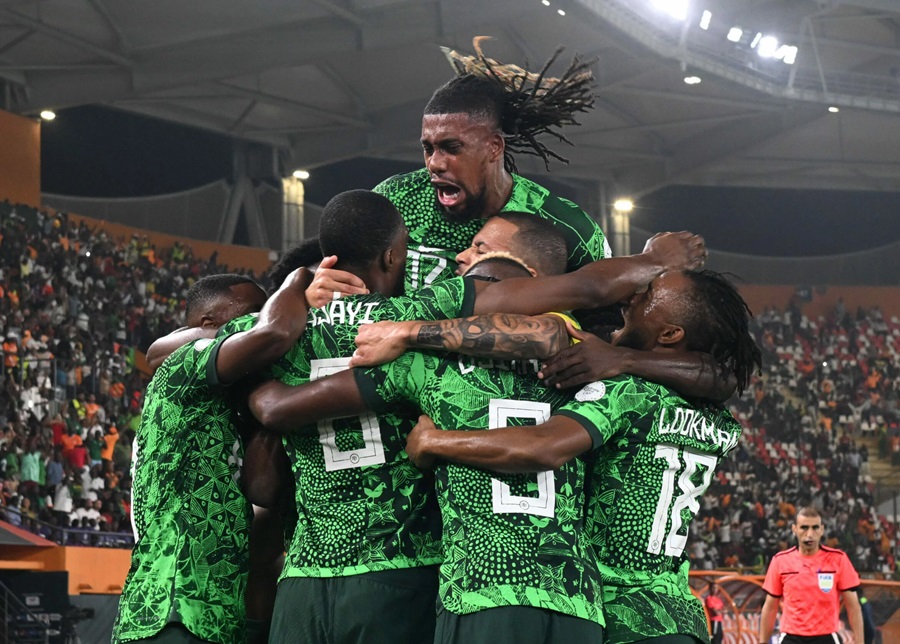

Nigeria’s consecutive AFCON victories, 2–1 over Tanzania and 3–2 against Tunisia, secured valuable points, yet they demand sober assessment alongside celebration.
Our correspondent reports that the wins were deserved, but they did not signify completion. As one analyst observed, “Winning masks issues, it does not cure them.”
For many Nigerians, this tournament transcends medals. The sting of missing 2026 World Cup qualification still lingers, shaping expectations and emotional investment.
AFCON in Morocco represents a chance at restoration — of belief, pride and credibility. Victory would not erase disappointment, but it could stabilise confidence.
Nigeria started both matches assertively, dominating possession, setting tempo and asserting territorial authority, reflecting improved tactical organisation.
Build-up play from defence into midfie.ld was consistent and composed, forcing Tanzania into prolonged defensive spells and limiting their attacking ambition.
Goals from Semi Ajayi and Ademola Lookman rewarded dominance, yet they also masked inefficiency in front of goal.
Against Tunisia, Nigeria again controlled large phases, remaining organised and purposeful, but familiar lapses surfaced during key moments.
Clinical passages were followed by uncertainty. “Game control means little without finality,” a former Super Eagles defender noted after the match.
Too many promising attacks stalled at decision points. Passes were hurried, shooting options delayed, and confidence appeared fragile.
Such missed chances allowed opponents to remain competitive. Against elite sides, those margins transform pressure into punishment.
History is unambiguous. Titles are secured not through possession statistics, but decisive execution under pressure.
Successful teams dominate outcomes, not narratives. The ball is a tool, not a trophy.
There is temptation to dismiss concerns by citing results or opponent ranking. That approach risks complacency.
Tanzania and Tunisia qualified on merit. Modern football offers no easy fixtures, no accidental participants.
Every AFCON side arrives with preparation, belief and intent to compete until the final whistle.
Body language also shapes outcomes. Visible frustration after errors can quietly erode collective confidence.
Exaggerated gestures or open displeasure isolate teammates. “Public blame fractures unity,” one coach remarked.
High-performing teams protect individuals while correcting mistakes privately, fostering trust and resilience.
Leadership is measured not only by output, but emotional intelligence and composure during adversity.
Encouragement sustains momentum. Sometimes restraint is leadership’s strongest expression.
Off-field realities cannot be ignored. Persistent reports of unpaid bonuses and administrative delays remain concerning.
Such issues rarely surface immediately on the pitch, but they undermine focus, trust and cohesion internally.
Players notice. Coaches feel it. Patterns endure. This is not excuse-making, but acknowledging cause and effect.
When systems fail people, performance suffers. Confidence erodes quietly before results reflect the damage.
Nigeria’s broader national experience mirrors this cycle. Structural failure delays excellence across sectors, including football.
Until governance improves, its shadow trails every campaign, regardless of talent or ambition.
The group concludes against Uganda on Tuesday, Dec. 30, a fixture pivotal to knockout momentum.
The message is urgent: convert dominance into goals, respect every opponent, and finish matches decisively.
AFCON rewards clarity, discipline and courage never reputation alone. Progress is visible, but the standard must rise.


NIGERIA DECIDES

 Davido's Net Worth & Lifestyle
