
Health
Cervical cancer, both preventable, curable –UN

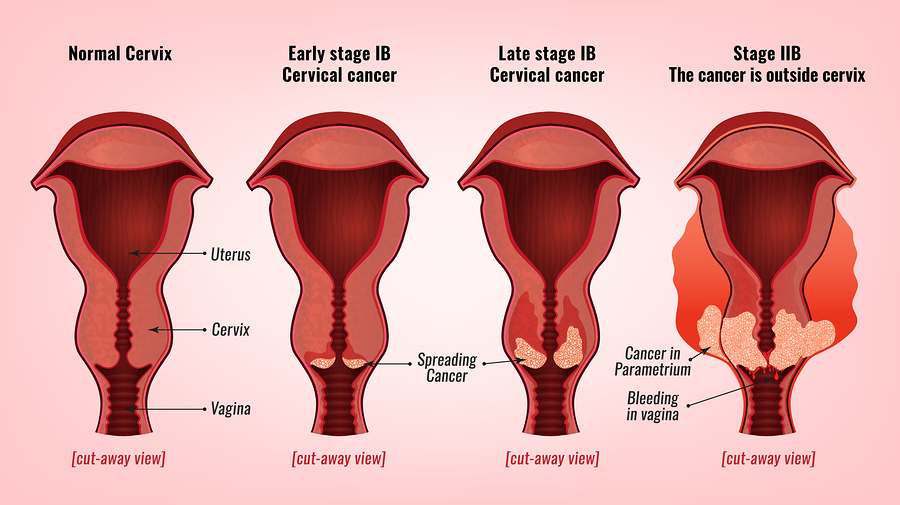

The UN says cervical cancer is both preventable and curable with proper access to screening, vaccination and treatment.
UN, in a statement on Friday, stated that cervical cancer, was the fourth most common cancer in women, devoting January each year for Cancer Awareness campaign.
Cervical cancer is a reproductive cancer that develops in a woman’s cervix and can spread to other parts of the body if not detected or treated early.
In 2022, an estimated 660,000 women were diagnosed with cervical cancer worldwide and about 350,000 women died from the disease, according to WHO.
UNICEF, the UN children’s agency, warns that the illness takes away a woman’s life every two minutes.
Almost all cervical cancer cases are linked to infection with human papillomaviruses (HPV) – an extremely common virus transmitted through sexual contact.
Most sexually active people will have HPV at some point. In most cases, the immune system clears the virus naturally but persistent infection with certain carcinogenic types of HPV can cause abnormal cell growth that may ultimately develop into cancer.
The World Health Organisation (WHO) stressed that cervical cancer is both preventable and curable with proper access to screening, vaccination and treatment.
WHO recommends vaccination for HPV for all girls aged 9–14, before they become sexually active and cervical screening from the age of 30 (25 years for women living with HIV).
When diagnosed, it is one of the most successfully treatable forms of cancer, if it is detected early and managed effectively.
Unequal access to prevention and treatment, however, remains a problem, leading to higher rates of incidence and mortality in some regions of the world like sub-Saharan Africa, Central America and Southeast Asia.
In 2020, 194 countries initiated a global strategy with the goal of eliminating cervical cancer. The day it was launched, November 17, now marks World Cervical Cancer Elimination Day.
According to WHO, the strategy sets three targets to be achieved by 2030:
It said, “90 per cent of girls to be fully vaccinated for HPV by age 15.
“70 per cent of women to be screened with a high-performance test by age 35 and again at 45.
“70 per cent of women diagnosed to receive treatment.”
The strategy estimates that succeeding in eliminating cervical cancer could avert 74 million new cases and prevent 62 million deaths by 2120.


NIGERIA DECIDES

 Davido's Net Worth & Lifestyle
