
Health
Lassa Fever kills 17 Nigerians in eight states – NCDC

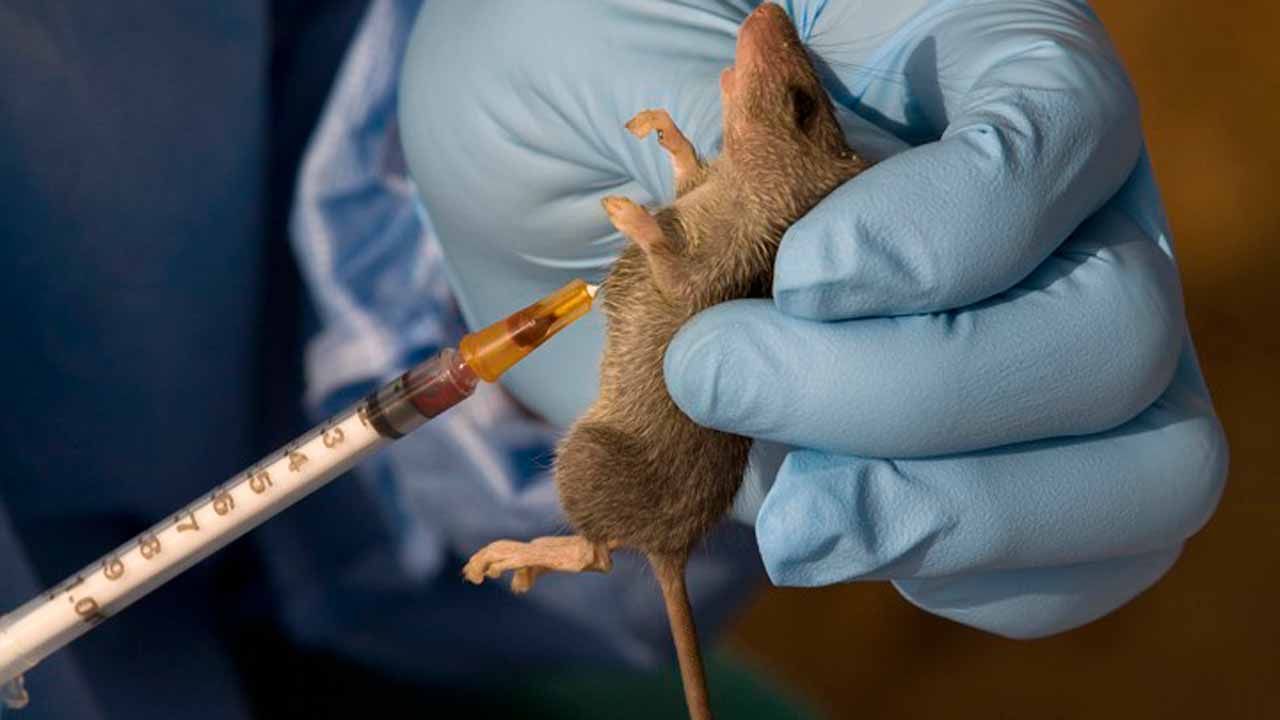

The Nigeria Centre for Disease Control (NCDC) says that no fewer than 17 people have died from Lassa fever across eight states in Nigeria in the first three weeks of 2026.
The NCDC, on Thursday via its weekly epidemiological report for week three, said eight states included Bauchi, Taraba, Plateau, Ondo, Edo, Ebonyi, Benue and Nasarawa, reported new confirmed cases, with Bauchi state accounting for 46 per cent of infections.
The center said that the country recorded 93 confirmed cases from the states.
According to the report, the country’s Case Fatality Rate (CFR) currently stands at 18.1 per cent, slightly lower than the 18.2 per cent recorded during the same period in 2025.
The Nigerian Public Health noted that four health workers were infected in week three, highlighting ongoing occupational risks amid the outbreak.
The agency said that 89 per cent of all confirmed cases were reported from Bauchi, Ondo, Taraba and Edo states, while the remaining 11 per cent came from five other states.
It said that the age group most affected ranged from 21years to 30 years, with a median age of 27.5 years, and the male-to-female ratio among confirmed cases is 1:0.6.
The NCDC said the national Lassa fever multi-partner Incident Management System (IMS) had been activated to support response activities, including treatment of confirmed cases, distribution of medical countermeasures such as Ribavirin, and risk communication at the community level.
It noted challenges such as late hospital visits, poor health-seeking behaviour, and environmental sanitation issues, urging states to intensify community engagement and for healthcare workers to maintain high suspicion for early detection and treatment.
The agency also advised Nigerians to observe good hygiene practices and promptly report suspected cases to health authorities.
Our correspondent reports that Lassa fever is an acute viral haemorrhagic illness caused by the Lassa virus, first identified in 1969 in the town of Lassa, Borno State.
It is endemic in Nigeria and parts of West Africa, with the virus primarily carried by the multimammate rat (Mastomys natalensis).
Humans become infected through contact with rodent excreta or contaminated food, and human-to-human transmission can occur in healthcare settings without proper infection prevention measures.
While many infections are mild or asymptomatic, about 20 per cent can develop severe disease, presenting with fever, headache, vomiting, bleeding, and organ dysfunction.
The disease often peaks during the dry season (December–April) when rodent-human contact increases.
With no licensed vaccine available, control relies on community hygiene, rodent control, early detection, supportive care, and antiviral treatment with Ribavirin for selected patients.
Public health efforts in Nigeria focus on enhanced surveillance, risk communication, and strengthened clinical and laboratory response.


NIGERIA DECIDES

 Davido's Net Worth & Lifestyle
