
Health
Imo first lady calls for increased cancer treatment funding

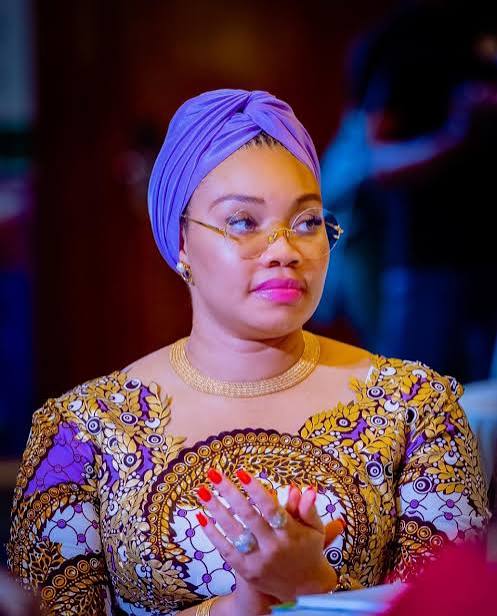

The First Lady of Imo and Chairperson of First Ladies Against Cancer, Mrs Chioma Uzodinma, has called for an upward review of the cancer treatment support fund to ease the financial burden on vulnerable patients.
Uzodinma made the call on Tuesday in Abuja at a symposium to commemorate the 2026 International Day Against Cancer, organised by Project Pink Blue (PPB), a cancer treatment-focused non-governmental organisation.
our correspondent reports that the symposium had the theme: “Cancer, Conflicts and Insecurity in Nigeria: What Can We Do to Ensure Access to Cancer Care for Vulnerable Communities Amid Conflicts and Insecurity?”
Uzodinma said the existing cancer funding framework must be broadened to accommodate more cancer patients and subsidise treatment for indigent citizens.
According to her, many families face catastrophic out-of-pocket healthcare costs, especially for non-communicable diseases.
She urged the Federal Government and stakeholders to intensify targeted community and radio-based awareness campaigns to combat misinformation, reduce stigma and encourage early detection.
The chairperson also called for strengthened implementation of the National Cancer Control Plan across states, noting that effective dissemination and domestication of policies would improve alignment between federal and sub-national interventions.
Uzodinma advocated continuous expansion of cancer services under the National Health Insurance Scheme (NHIS) to provide financial protection for patients nationwide.
“In Imo State today, under the insurance scheme, once you are registered, you can receive free cancer screening; all types of cancer screening. Therefore, we advocate for more states to follow suit,” she said.
She further canvassed policy reforms to retain oncology professionals through incentives, improved working conditions and career development opportunities, warning that brain drain was weakening Nigeria’s cancer response capacity.
Uzodinma urged the government to expand the recently introduced executive order granting zero tax on pharmaceutical inputs to ensure affordable cancer medicines reach conflict-prone areas.
She emphasised that long-term cancer control must focus on systemic transformation through multi-sectoral partnerships involving government, private organisations and international partners.
According to her, rebuilding health infrastructure destroyed by conflict, including transport networks and medical supply chains, is critical to improving access to care.
She also stressed the need for sustained investment in local research and data systems, particularly the proposed National Cancer Registries and clinical trials by the National Institute for Cancer Research and Treatment in Nigeria (NICRAT).
“The fight against cancer in Nigeria calls for unity in the face of our unique and complex challenges. I urge all stakeholders to commit to these shared solutions while honouring survivors, caregivers and healthcare workers,” she said.
Also speaking, a former senator representing Abia North, Mao Ohabunwa, declared cancer treatment a national emergency, especially in conflict-affected regions.
“I want to call that cancer treatment should be a national emergency, especially in vulnerable areas where conflict has prevented patients from seeking treatment and screening,” Ohabunwa said.
A breast cancer survivor and patient navigator with Project Pink Blue, Mercy Spoporuchi, identified insecurity and lack of treatment centres as major barriers to accessing care.
“Imagine if we had hospitals in every state. Patients would not travel over 500 kilometres to access care,” she said.


NIGERIA DECIDES

 Davido's Net Worth & Lifestyle
