
Agric
Kogi tomato farmers reap benefits Kogi tomato

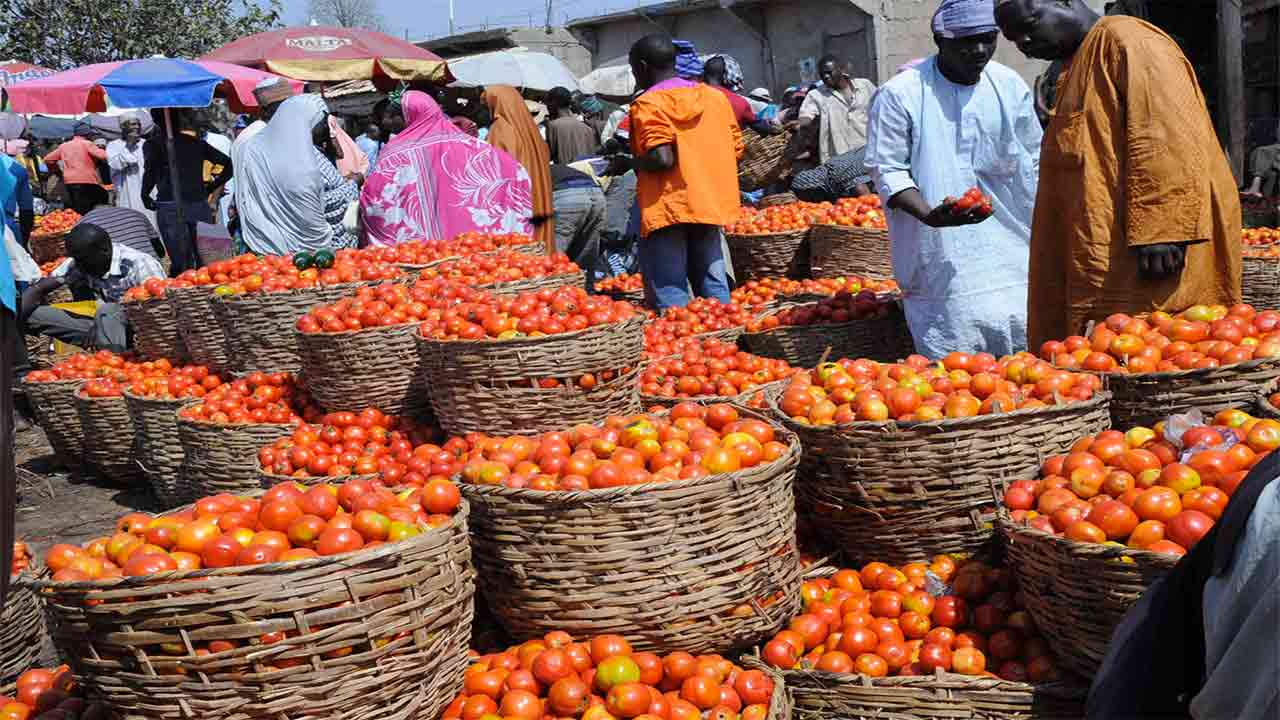

Tomato farmers in Kogi are experiencing improved yields and higher incomes following the introduction of new measures aimed at reducing post-harvest losses.
A survey conducted by our correspondent revealed that the initiatives, led by the state Agricultural Extension Officers and farmer cooperatives, are gradually transforming the tomato industry in the state.
According to Mr Salihu Adobanyi, the state Chairman of All Farmers Association of Nigeria (AFAN), the measures include improved post-harvest handling, training programmes for rural farmers, and the use of ventilated plastic crates.
He said, “These efforts have reduced physical damage during transportation and prevented spoilage.
“Additionally, solar drying methods and small cold storage facilities are being adopted to manage excess harvest and extend shelf life.”
Adobanyi commended the state government for creating an enabling environment for farmers and praised President Bola Tinubu for supporting farmers with input supplies.
He, however, appealed to the government to address the inadequate preservation facilities and processing companies in the state, citing the need for industries to process and preserve perishable produce.
Mr Musa Abdullahi, a small-scale farmer in Lokoja, expressed excitement over the bumper harvest of tomatoes this season, but expressed concerns over inadequate storage facilities and off takers.
“We’re happy with the harvest, but we’re worried about storage. We don’t have access to cold storage facilities, so some of our tomatoes are already going bad.
Y
“We need help with preservation techniques or storage facilities to reduce our losses,” Abdullahi said.
A medium-scale farmer at Makajiya cluster in Banda, said: “We’ve been trying to supply to local markets, but it is tough.
“The processing companies want high-quality tomatoes, and we’re struggling to meet their standards. We need training on post-harvest handling and some support with inputs like fertiliser and seeds.
“Though, the state government has been trying in terms of inputs like fertiliser but we need more support especially cold storage facilities.”
Alhaji Ibrahim Usman, a large-scale farmer, said they have invested in storage facilities but not enough to accommodate and preserve their bumper harvest.
He added, “We have invested in some storage facilities, but it’s not enough. We’re looking at exploring partnerships with processing companies to secure a market for our produce.
“The government could help facilitate these partnerships and provide incentives for farmers to adopt better farming practices.”
A female farmer, Mrs Alice Halidu, said women are facing challenges in accessing land for farming due to gender parity.
“As women, we face challenges accessing credit and inputs. We need support with financing and training to improve our yields and quality.
“The Kogi Government has been trying in capturing more women in farming, but they should provide more opportunities for women farmers to access resources and markets,” she urged.
A Director in the State Ministry of Agriculture and Food Security, who spoke on condition of anonymity, said the ministry was working on initiatives to support farmers with storage facilities and training on preservation techniques.
“We’re also exploring partnerships with processing companies to create a stable market for farmers.
“We encourage farmers to engage and be members of cooperatives to increase their bargaining power,” he said.
A Manager at Mack Farm Agro-allied Company, Mr John Mathias, said: “As a processing company, we are interested in sourcing tomatoes from local farmers, but we need a consistent supply of high-quality produce.
“We’re willing to partner with farmers who can meet our standards and provide training on post-harvest handling and farming practices.”


NIGERIA DECIDES

 Davido's Net Worth & Lifestyle
