
BUSINESS
Tomato farmers in Plateau decry poor storage, processing facilities

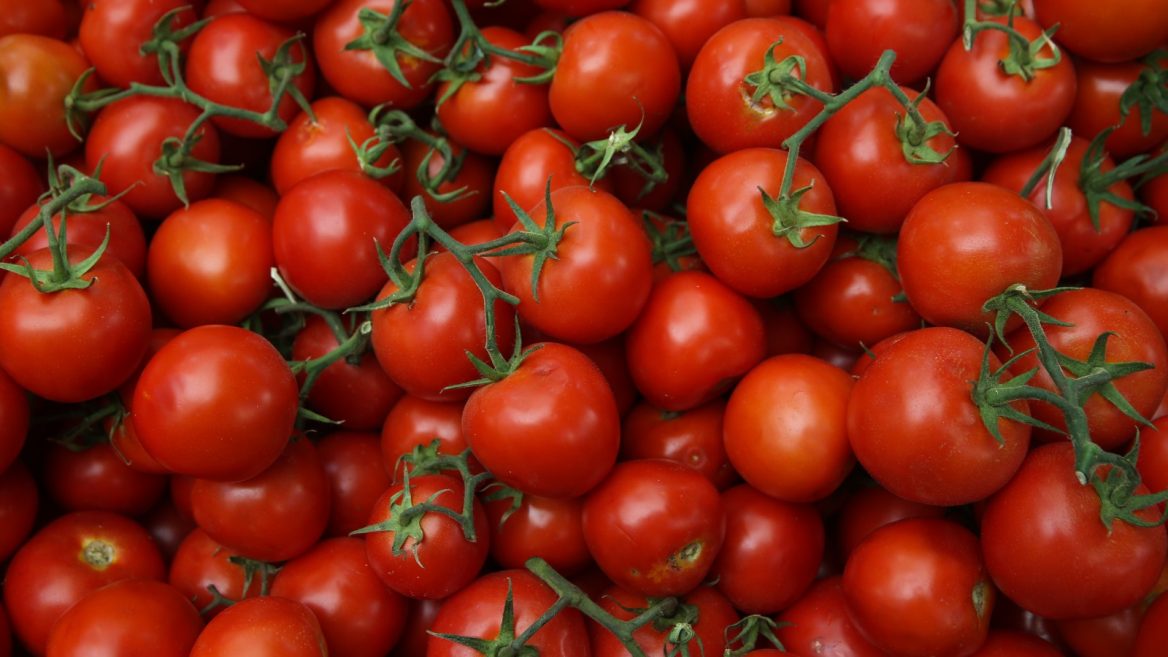

Tomato farmers in Plateau have decried the dearth of the produce’s storage and processing facilities in the state.
Some of the farmers, who spoke with our correspondent, on Monday in Jos, described the situation as the biggest challenge to tomato cultivation in the state.
Mr Musa Abdullahi, who cultivates between three to five hectares yearly, said that due to its perishable nature, farmers were usually forced to sell their produce immediately after harvest.
Abdullahi, who harvests between 200 to 300 baskets of tomatoes per season, expressed frustration that the government was not consistent in its support towards this end.
“I have been cultivating tomatoes in the last 10 years; I know exactly the plight of farmers, particularly the small-scale farmers.
“Occasionally, we receive subsidised fertilisers or improved seeds from government, but the support is not regular.
“Most times, we sell quickly because tomatoes easily spoil; we do not have proper storage facilities in the state.
“Some farmers dry tomatoes under the sun, but that is not enough; that style isn’t giving the real value of the money expended,” he added.
Acccording to Abdullahi, though some processing companies such as Tomato Jos Farming, Processing Limited, and NaFarm Foods buy tomatoes for processing, many smallholder farmers, however, still depend heavily on middlemen for access to markets.
Another farmer, Mrs Chundung Pam, on her part, identified pests and diseases, high cost of fertilisers and transportation as other challenges affecting tomato production in the state.
Pam also listed insecurity and unstable market prices as some of the serious obstacles to effective tomato production in the area.
She urged the government and the private sector to invest more in storage facilities, processing plants, and direct farmer support to improve tomato farming in Plateau.


NIGERIA DECIDES

 Davido's Net Worth & Lifestyle
