
ECONOMY
FG seeks balance between rice supply, local industry protection

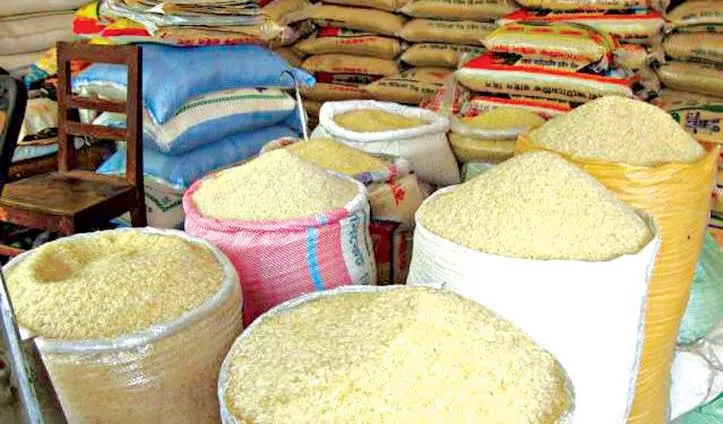

The Federal Government says it is working to strike a balance between ensuring adequate rice availability in the market while protecting local producers and processors to sustain Nigeria’s growing rice value chain.
The Minister of State for Industry, Sen. John Enoh, said this during a meeting with rice processors to assess the state of Nigeria’s rice processing industry in Abuja on Monday.
According to Enoh, rice remains a strategic commodity due to its high consumption across Nigeria, making it essential for government policies to support sustainable production, processing and stable supply.
He said the engagement followed the recent unveiling of Nigeria’s industrial policy aimed at boosting value addition and strengthening the contribution of the manufacturing sector to the nation’s economy.
Enoh said value addition and processing remained central pillars of the government’s industrialisation strategies, adding that sectors with strong local raw material availability such as rice were critical to industrial competitiveness.
He said engagement with rice farmers would also involve collaboration with the Federal Ministry of Agriculture to address production challenges affecting the supply of paddy rice to processors nationwide.
The minister further said the President had highlighted rice as a critical issue requiring immediate attention at the highest level of government because of its importance to food security.
Enoh said the government remained committed to practical solutions that would sustain the rice value chain and strengthened linkages between farmers, millers, processors and markets across Nigeria.
He added that the goal was to ensure both affordability of rice for consumers and adequate protection for domestic producers who had invested significantly in local rice production.
Enoh expressed optimism that stronger collaboration between government and industry stakeholders would help expand rice processing capacity, encourage investments and improve value addition within the sector.
Earlier, Director of the Industrial Inspectorate Department, Mr Tope Osinowo, said rice remained one of the most widely consumed staple foods across Nigeria.
According to Osinowo, Nigeria currently has about 260 rice mills, with the highest concentration located in Kano, Kaduna and Ebonyi states where rice production and processing activities remain significant.
He said the growing demand for rice across the country had contributed to the rapid expansion of rice processing activities and increased investments in milling infrastructure.
Director-General of the Rice Processors Association of Nigeria, Dr Andy Ekwelem, said many rice mills were currently struggling to remain operational due to rising production costs and raw material shortages.
Ekwelem disclosed that more than 90 rice mills across the country had either shut down completely or were operating far below their installed processing capacity.
He said mills still operating were functioning at less than 30 per cent capacity utilisation, a situation that threatened the sustainability of investments in the sector.
According to him, the situation has forced several companies to lay off workers while others are struggling to meet loan repayment obligations to financial institutions.
Ekwelem said the association had proposed the temporary importation of limited quantities of brown rice to keep existing mills functional while domestic production improved.
He explained that brown rice was not a finished product and would still require local processing in Nigerian mills before reaching consumers in the market.
According to him, the measure will allow rice mills to continue operating while the government works to strengthen domestic rice production and support farmers nationwide.
Ekwelem also stressed the need for stronger support for farmers through improved rural infrastructure, better security in farming communities and easier access to quality farm inputs.
He said fertiliser prices had risen sharply in recent times, making it difficult for many farmers to return to their farms and maintain previous production levels.
Similarly, the Chief Executive Officer of Agrotek Rice Mill Ltd, Mr Paul Eluhaiwe, said insecurity and infrastructure challenges had forced many farmers to abandon their farms in several parts of the country.
Eluhaiwe said the shortage of paddy rice had significantly increased production costs for millers, forcing them to pay far higher prices to secure limited supplies.
According to him, the price of paddy rice has risen from about N300,000 to more than N800,000 per metric tonne in recent months.
He said such high production costs made it extremely difficult for rice millers to reduce the market price of locally produced rice for Nigerian consumers.


NIGERIA DECIDES

 Davido's Net Worth & Lifestyle
