
Health
Nigeria intensifies TB fight with community outreach

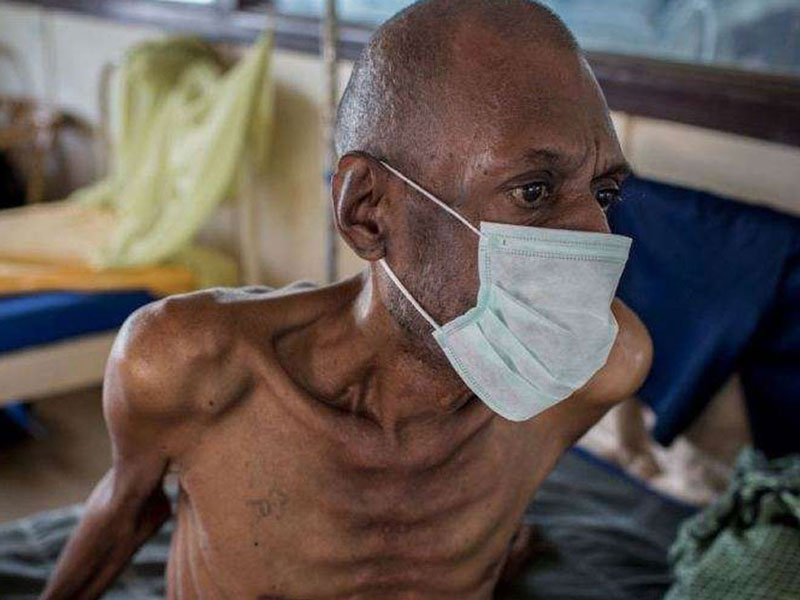

Stakeholders in Nigeria’s tuberculosis response are intensifying efforts to bring services closer to communities, combining grassroots case finding with sustained public enlightenment to curb the disease and improve health outcomes nationwide.
Speaking during activities marking the 2026 World Tuberculosis Day in Abuja, stakeholders highlighted progress recorded while stressing persistent gaps in awareness, early detection, and equitable access to quality care services nationwide.
Ms Kelechi Nzeadibe of the Institute of Human Virology Nigeria (IHVN) said programmes now prioritised community based interventions, deploying trained workers for house to house TB and HIV screening among vulnerable populations including pregnant women.
She explained that outreach campaigns integrated TB and HIV services in slums and local government areas, where residents were sensitised, screened, and referred, with samples collected and transported for free diagnostic testing.
She added that individuals with presumptive TB were promptly linked to care, emphasising that screening, diagnosis, and treatment services were provided at no cost to patients to encourage uptake nationwide.
Dr Eze Chukwu, Impact Project Coordinator, KNCV said strategic communication was key to addressing misinformation and stigma, noting efforts were focused on driving behavioural change through targeted messaging and sustained community engagement initiatives.
He said increased awareness campaigns were improving public knowledge about TB services, encouraging more people to seek testing early, access treatment promptly, and support efforts aimed at reducing transmission nationwide.
Dr Stella Makpu of the National Tuberculosis and Leprosy Control Programme (NTBLCP), Federal Ministry of Health, said public enlightenment remained central to Nigeria’s tuberculosis control efforts nationwide.
She emphasised that many Nigerians still lacked adequate knowledge about TB causes, transmission, prevention, and the importance of early diagnosis for effective treatment and reduced spread.
She said improving awareness would enhance early detection, reduce stigma, and lead to better outcomes, reaffirming government commitment to strengthening TB control through advocacy, improved service delivery, and community engagement nationwide.
“Nigeria recorded an estimated 440,000 TB cases in 2025, with about 150,000 undiagnosed, highlighting the scale of the challenge and the urgent need to expand detection and treatment services nationwide.
“WHO said Africa continues to bear a heavy TB burden, with 378,000 deaths and 2.7 million infections in 2024, accounting for a significant share of global cases despite progress recorded.
“The 2026 theme, “Yes! We Can End TB: Led by Countries, Powered by Communities,” underscores the need for stronger national leadership, sustained investment, and active community participation in TB response efforts.”


NIGERIA DECIDES

 Davido's Net Worth & Lifestyle
