
BUSINESS
Fuel price hike: LCCI tasks govt on strategic market stabilisation

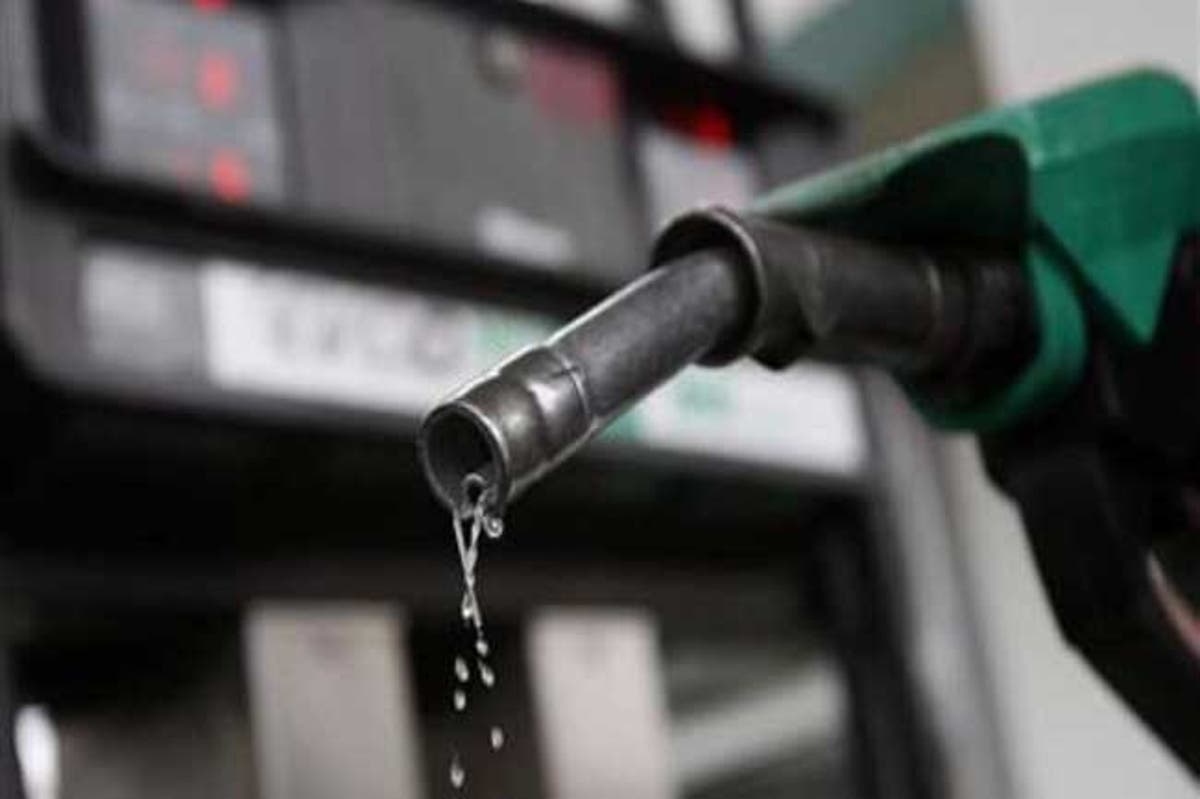

The Lagos Chamber of Commerce and Industry (LCCI) says government’s intervention should be anchored on strategic market stabilisation rather than price suppression to mitigate inflationary shocks from the rising fuel prices.
The Director-General of LCCI, Dr Chinyere Almona, gave the advice in a statement on Tuesday in Lagos.
Almona said the escalation of global crude oil prices to about $112 per barrel, alongside the fourth upward review of Dangote Refinery’s gantry price to approximately N1,245 per litre, signalled intensifying pressure in Nigeria’s downstream market.
According to her, the development is already transmitting inflationary shocks across transportation, food, and industrial production.
Almona noted that the persistent fuel affordability challenge reflects a structural supply deficit, where Nigeria’s daily petrol demand of over 50–53 million litres continues to outpace effective domestic refining capacity.
“In this context, government intervention must be anchored on strategic market stabilisation rather than price suppression.
“Immediate priorities should include targeted, time-bound support for critical sectors such as transportation, agriculture, and Small and Medium Enterprises (SMEs) to mitigate inflationary spillovers, while avoiding inefficient blanket subsidies.
“More critically, stabilising the naira through improved foreign exchange of liquidity and policy coordination is essential, given the strong exchange-rate pass-through into fuel pricing,” she said.
The director-general stressed the need for policy clarity and consistency to reinforce investor confidence in the deregulated regime.
She added that while higher crude oil prices typically imply fiscal upside, Nigeria’s benefits remain constrained by production limitations and structural inefficiencies.
“The dominant impact is adverse: cost-push inflation intensifies, industrial competitiveness weakens, and household purchasing power declines.
“Energy costs, being a major component of production and logistics, will continue to erode business margins and dampen economic expansion, reinforcing broader macroeconomic vulnerabilities,” she said.
Almona called for urgent action to boost crude production specifically to feed local refineries, which would help adequately supply the domestic market.
She stressed that the Federal Government and the Nigerian National Petroleum Company Ltd. must urgently enforce domestic crude supply obligations under the Petroleum Industry Act.
This, she said, would ensure consistent allocation of more than 300,000 barrels per day to local refineries, particularly the Dangote Refinery.
Almona added that this should be complemented by a transparent and scalable naira-for-crude framework to reduce foreign exchange exposure, lower production costs, and stabilise output.
“At the regulatory level, the Nigerian Midstream and Downstream Petroleum Regulatory Authority should implement a clear, rules-based pricing framework that reflects verifiable cost fundamentals while preventing abuse of market dominance, without undermining deregulation.
“Simultaneously, government must accelerate the operationalisation of other licensed and modular refineries to reduce concentration risk, while maintaining strategic imports as a short-term buffer to stabilise prices.
“LCCI maintains that sustainable fuel price moderation will not be achieved through administrative controls, but through structural reforms that expand domestic supply, foster competition, and reinforce transparency across the value chain,” she said.
Almona added that beyond securing the country’s fuel needs, the chamber expects the government to pursue a holistic restructuring of the oil and gas sector.
This, she said, would position Nigeria as an alternative oil and gas supplier to other African countries and Europe.
She affirmed that with disciplined execution and strong public-private collaboration, Nigeria could turn the current challenge into a catalyst for building a more resilient, competitive, and self-sufficient energy ecosystem.


NIGERIA DECIDES

 Davido's Net Worth & Lifestyle
