
Health
Lenacapavir: Nigeria’s new hope in HIV prevention

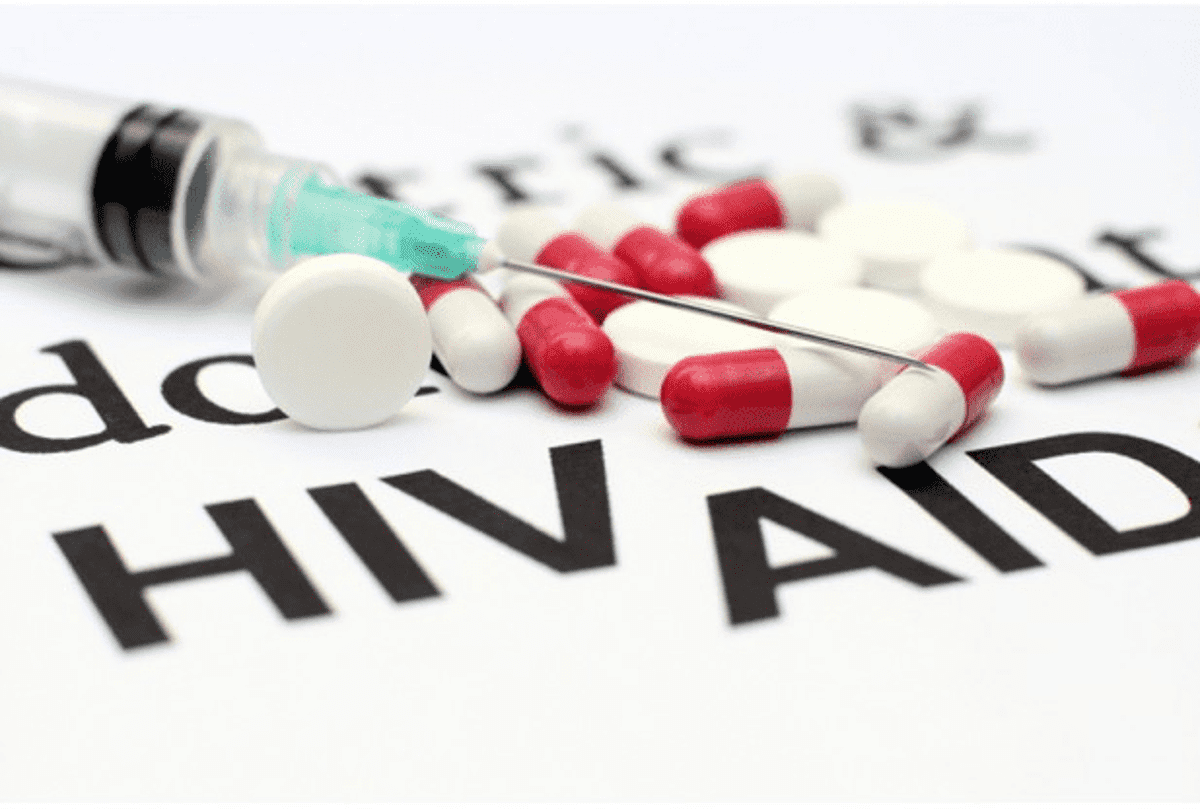

Nigeria’s fight against HIV and AIDS may be approaching a turning point with the introduction of Lenacapavir, a long-acting injectable drug that experts say could greatly reduce new infections.
Administered twice yearly to HIV-negative individuals at substantial risk, the innovation is being positioned as a critical tool in accelerating Nigeria’s goal of ending HIV/AIDS as a public health threat by 2030.
Globally, HIV remains a major public health challenge, with about 1.3 million new infections recorded annually, even as treatment and prevention efforts have improved outcomes.
In Nigeria, the burden remains considerable, with approximately 48,000 new infections each year.
These figures highlight persistent gaps in prevention among key and vulnerable populations and underscore the urgency for more effective and accessible options.
Nigeria has made notable progress in recent years.
The Minister of State for Health and Social Welfare, Dr Iziaq Salako, said 93 per cent of people living with HIV now know their status, 99 per cent of those diagnosed are on treatment, and 95 per cent of those on treatment have achieved viral suppression.
He added that Prevention of Mother-to-Child Transmission coverage had risen from 33 per cent in 2023 to nearly 70 per cent in 2025.
Yet, experts say the rate of new infections remains too high, making prevention the next critical frontier in Nigeria’s HIV response.
Lenacapavir, a long-acting antiretroviral drug used for pre-exposure prophylaxis (PrEP) and recommended by the World Health Organisation in July 2025, now represents fresh hope in this effort.
Unlike daily oral PrEP, the drug is administered once every six months, offering a more convenient and adherence-friendly option.
Clinical trials show that Lenacapavir can prevent nearly all cases of HIV among people at risk, making it one of the most effective prevention tools currently available.
The Director-General of the World Health Organisation, Dr Tedros Ghebreyesus, described the drug as the most significant development in HIV prevention in decades.
He noted that HIV, once considered a death sentence, has become a manageable condition, with AIDS-related deaths declining by about 70 per cent globally over the past 20 years, while stressing that prevention remains essential to ending the epidemic.
Nigeria’s adoption of Lenacapavir as one of nine early adopter countries marks a major milestone in its HIV response.
An initial 52,000 doses have been provided by the Global Fund to catalyse the drug’s introduction.
The Senior Fund Portfolio Manager at the Global Fund, Mr Jean-Thomas Nouboussi, disclosed that Nigeria would receive a total of 179,700 doses by 2028.
He described Lenacapavir as a breakthrough in HIV prevention, addressing adherence challenges associated with daily oral PrEP.
He added that the Global Fund aims to reach two million people globally with the drug by 2028, noting that its support to Nigeria is catalytic.
“We expect the government will step in and accelerate deployment across the country,” he said.
Implementation has commenced in eight pilot states of Anambra, Ebonyi, Gombe, Kwara, Akwa Ibom, Cross River, Benue, and the FCT; with a phased national scale-up planned thereafter.
Dr Temitope Ilori, Director-General of the National Agency for the Control of AIDS (NACA), said the innovation would enhance adherence and compliance among high-risk populations.
She noted that the drug was not recommended for pregnant women and should be used within a broader combination prevention approach.
“This is a very innovative prevention method that will enhance adherence and compliance. It does not prevent sexually transmitted infections or unwanted pregnancies,” she said.
According to Ilori, the introduction reflects strong national coordination and commitment to epidemic control, and expanding prevention options is critical to closing gaps and reaching populations most at risk.
The Joint United Nations Programme on HIV/AIDS (UNAIDS) also underscored the importance of sustaining prevention gains through innovative tools and continued collaboration.
The Country Director, Ms Tina Bonto, said funding constraints and prevention gaps still pose risks to achieving epidemic control.
She noted that Nigeria’s early adoption reflects its leadership in HIV prevention, having pioneered oral PrEP in 2016 and continuously expanded prevention options through strong partnerships.
“There are still about 48,000 new infections yearly, so more effort is needed to close prevention gaps,” she said, expressing optimism that Lenacapavir would accelerate progress toward epidemic control.
Public health experts say one of the biggest challenges in HIV prevention has been poor adherence to daily medication.
For many at-risk individuals; including sex workers, men who have sex with men, people who inject drugs, and adolescent girls, daily pills are difficult to maintain consistently.
Stigma, discrimination, and social barriers often discourage sustained use of oral PrEP.
Lenacapavir addresses this gap by requiring only two injections a year, reducing the burden of daily compliance.
Its discreet nature also makes it more acceptable for individuals who may avoid HIV services due to stigma.
Josephine Aseme, Chairperson of the Nigeria Key Population Health and Rights Network, described the drug as a major breakthrough for vulnerable communities.
“I was once an oral PrEP user, but I had to stop. I have volunteered to be among the first to receive Lenacapavir,” she said, adding that the injectable option would improve adherence and pledged community support to drive awareness and uptake.
Civil society groups have called for broader availability beyond narrowly defined populations to ensure no one at risk is left behind.
Dr Abdulkadir Ibrahim of the Network of People Living with HIV/AIDS in Nigeria urged the government to prioritise accessibility and domestic investment.
“We should make this available and accessible so that we can prevent new infections across communities,” he said.
Dr Adebobola Bashorun, National Coordinator of the National AIDS, Viral Hepatitis and Sexually Transmitted Infections Control Programme, said the rollout was guided by national data and stakeholder collaboration.
He noted that no major adverse events had been recorded, with only mild injection-site pain observed as a common side effect.
He added that the programme prioritised equity and access, with the government initially leading implementation before expanding engagement with the private sector.
The Coordinating Minister of Health and Social Welfare, Prof. Muhammad Ali Pate, said the government remains committed to ending HIV through a comprehensive, multi-sectoral approach.
“This involves leveraging innovation, improving efficiency, and strengthening domestic financing to sustain progress in HIV, tuberculosis, and malaria control”.
He revealed that the federal government, with contributions from states and local authorities, has committed 346 million dollars in co-financing for HIV, TB, malaria, and other strategic health investments in 2026.
“By 2030, Nigeria should be able to put its own domestic resources toward priority diseases instead of relying on external grants,” he said.
Beyond health outcomes, the introduction of Lenacapavir carries economic implications.
By preventing new infections, Nigeria could reduce long-term treatment costs and ease pressure on the health system.
The Permanent Secretary of the Federal Ministry of Health and Social Welfare, Ms Daju Kachollom, said the innovation aligns with national efforts to expand prevention options and improve access.
She noted that a National PrEP Implementation Plan (2025–2028) had been developed to guide the rollout, covering service delivery, supply chains, demand creation, and sustainability.
If properly implemented, analysts say Lenacapavir could significantly reduce Nigeria’s approximately 48,000 annual new infections and accelerate progress toward epidemic control.
At the global level, wider adoption of such highly effective prevention tools could also help drive down the 1.3 million new infections recorded worldwide each year.
Existing challenges notwithstanding, stakeholders say Lenacapavir offers renewed hope in the fight against HIV/AIDS.
With sustained political will, community engagement, and adequate funding, Nigeria may be closer than ever to ending HIV as a public health threat.
For millions at risk, the twice-yearly injection represents not just a medical breakthrough but a pathway to a future free of new HIV infections.


NIGERIA DECIDES

 Davido's Net Worth & Lifestyle
