
Health
Psychiatrist decries high cost of mental illness treatment, seeks interventions

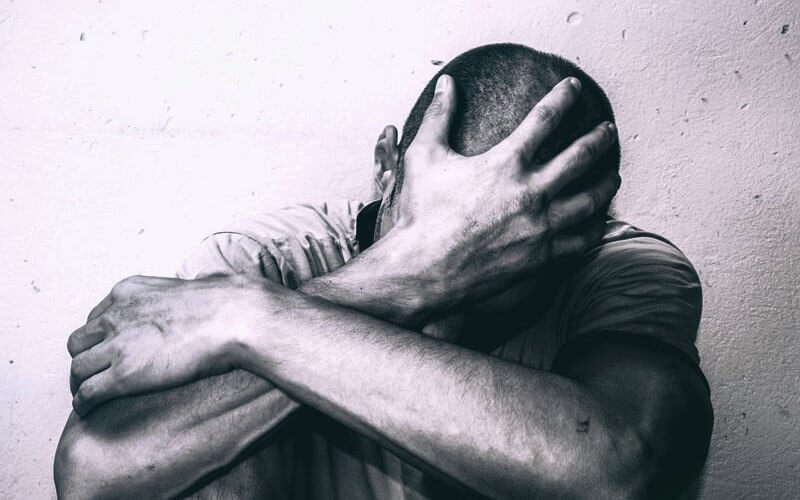

A Consultant Psychiatrist, Prof. Taiwo Obindo has decried the cost of care and drugs for individuals undergoing treatment for various mental health conditions, calling for interventions to reverse the trend.
Obindo, also the immediate past President, Association of Psychiatrists of Nigeria (APN), made the call in an interview with our correspondent on Friday in Lagos.
He said that those accessing care, especially mental healthcare services, were finding it difficult to keep up with the cost of treatment.
The psychiatrist frowned that the cost of healthcare in Nigeria generally had gone up, attributing the development to inflation, economic downturn and closure of some pharmaceutical companies.
He lamented that most of the pharmaceutical companies that produced some of the drugs had either downsised or relocated to other countries, leading to high cost of drugs/medications.
“The cost of healthcare in Nigeria generally has become so high, making it difficult for an average person to access the needed care.
“Most of the companies manufacturing the drugs are not in the country and some of those here have either downsised or relocated to other countries – this has result to quadruple of the price of drugs compared to the price before.
“Similarly, the rise in the prices of goods and services caused by the fuel subsidy removal and economic downturn in the country has continually resulted to an astronomical rise in the prices of drugs and hospital care.
“lndividuals undergoing treatment for various mental health conditions, particularly those with substance use disorder are finding it difficult to keep up with the cost of treatment.
“This to a great extent affect the treatment outcomes, because many of the patients hardly adhere to medication and prescriptions due to financial incapability,” he said.
Speaking on the implications of the high cost of medication, particularly for mental health conditions, Obindo decried that the situation was taking a toll on the average patient.
He said that most of the patients, after seeing doctor, end up not buying the prescribed drugs or buy what they could afford, leading to under-dose of the medication.
He explained that the situation could not only lead to relapse, but could make the patient come down with more complicating symptoms.
“Failure to adhere to prescriptions or under-dosing medication can have a lot of implications on the patient , his family and the economy at large.
“Apart from resulting to relapse, it can make the patient to be perpetually ill or even come down with more severe symptoms.
“Family relationship may be affected and productivity of the individuals may drop, affecting economic growth and development,” he said.
On measures to salvage the situation and ensure citizens had easy access to the needed healthcare, Obindo called for restructuring and expansion of the National Health Insurance Scheme (NHIS) to at least cover 80 per cent of the population.
He added that the scheme’s formularies should be reviewed and expanded to accommodate most mental healthcare medications, so that patients could access drugs when prescribed.
The psychiatrist also underscored the need for government to not only subsidise importation of the drugs, but also support the pharmaceutical companies with incentives to aid their operations.
“It is the sole responsibility of the government to ensure that the citizens are in good state of health.
“Considering the cost of transportation, the fact that people in the rural areas will have to travel to urban cities to access mental healthcare adds to their cost of treatment. Some may resort to alternative medicine.
“This is where integrating mental healthcare fully into the Primary Health Care becomes necessary, so that people can have access to care anywhere they are,” Obindo said.


NIGERIA DECIDES

 Davido's Net Worth & Lifestyle
