
News
FG harps on effective driver education to strengthen economy, security

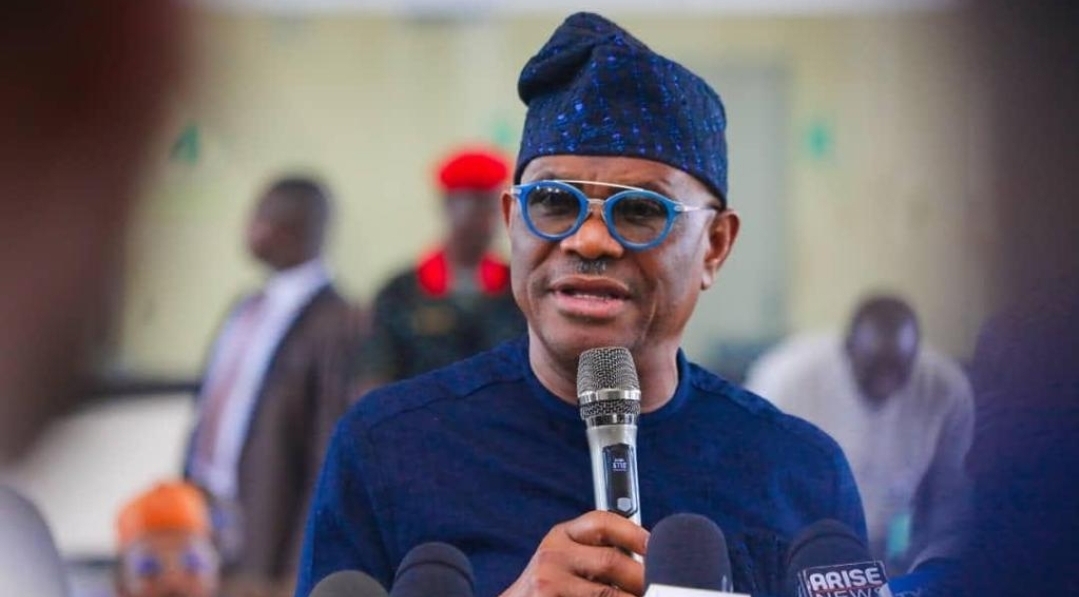

The Federal Government has underscored the direct link between effective driver education, national productivity, and internal security, calling for urgent reforms to strengthen training standards across Nigeria.
The Minister of the Federal Capital Territory (FCT), Nyesom Wike made the call at the 2026 National Workshop for Driving School Proprietors and Instructors on Wednesday in Abuja.
Wike, represented by the Permanent Secretary, FCT Transport Secretariat, Mrs Florence Nonubari, described the initiative as timely and critical to addressing Nigeria’s growing road safety concerns.
Our correspondent reports that the event was organised by the Federal Road Safety Corps (FRSC) under its Driving School Standardisation Programme (DSSP).
The theme of the workshop is ‘’Professional Driver Education Using Innovative Training Models to Improve Road Safety and Reduce Fatality in Nigeria”.
The minister noted that road traffic crashes remained a global challenge ranking among the leading causes of death and injury, particularly among young and economically active populations.
“Beyond the human toll, road crashes also pose significant economic threats through loss of productivity, property damage, and long-term socio-economic strain on families and communities,” he said.
The minister emphasised that tackling these challenges required sustained commitment, well-structured policies, and strong collaboration among relevant stakeholders.
He identified driver education as a key pillar in road safety management, noting that drivers play the most active role in the transport system and largely determine how safely roads were used.
”Driving schools are central to shaping driver behaviour. They instill the discipline, knowledge, and responsibility required for safe road use,” he said.
Wike added that properly trained drivers were more likely to comply with traffic regulations, avoiding risky behaviours, and prioritising the safety of all road users.
The minister however, warned that weak or poorly regulated training systems would contribute significantly to poor driving culture, increased crashes, and preventable loss of lives.
He commended the FRSC for strengthening the DSSP, noting that the initiative was critical to ensuring that driving schools operated in line with national standards and global best practices.
Describing the workshop theme as forward-looking, he said it emphasised innovation, competency-based learning, and sustainable approaches needed to modernise driver education in Nigeria.
He expressed optimism that the workshop would address key gaps in the system and help build a more professional and efficient driver training framework capable of producing safety-conscious drivers.
“At the sub-national level, the FCT Administration is actively collaborating with the FRSC to improve the implementation of driver training standards and enhance road safety outcomes.
“Road safety is a shared responsibility, requiring coordinated efforts among government agencies, private sector players, and the public,” he emphasised.
The minister reaffirmed the government’s commitment to supporting initiatives that improved mobility, enhance transportation safety, and protect lives.
In his remarks, the FRSC Corps Marshal, Malam Shehu Mohammed, emphasised that modern driver education must adopt competency-based training.
Shehu said that it goes beyond teaching basic vehicle operation to developing drivers with the right knowledge, attitudes, risk perception, and safety consciousness.
He added that driving schools also functioned as important economic enterprises contributing to employment generation, skills development, and national economic growth.
“Promoting scalable and sustainable enterprise models will ensure that driving schools operate professionally while delivering high-quality training,” he said.
The corps marshal reaffirmed the FRSC’s commitment to strengthening partnerships with driving schools, state governments, private sector stakeholders, and development partners to advance national road safety objectives.
He stressed that reducing road traffic fatalities in Nigeria required collective and sustained efforts, with driving schools playing a central role.
Mohammed further emphasised that driver education was closely linked to national development and security, adding that Nigeria’s road network served as a vital channel for the movement of people, goods, and security personnel.
”A well-trained and responsible driving population contributes not only to safer roads but also to economic productivity, efficient mobility, and a more secure transport environment,” he said.
Mohammed urged participants to actively engage in the workshop, share professional experiences, and embrace innovations and best practices presented during the sessions.


NIGERIA DECIDES

 Davido's Net Worth & Lifestyle
