
BUSINESS
Lagos residents cut food stuffs, ration meals as costs soar

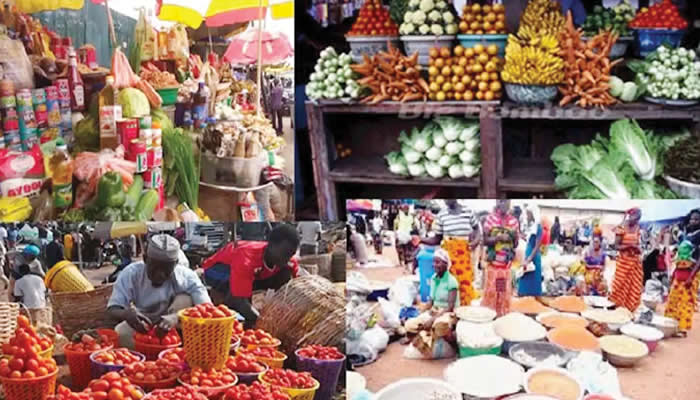

Some Lagos residents have adopted survival strategies to cope with food inflation and epileptic power supply in the state.
Some traders and consumers who spoke with our correspondent on Thursday in Lagos said inflation and unstable power supply had significantly altered spending patterns and daily routines.
Mrs Kemi Balogun, a frozen foods and household items trader at Agege Market, said many customers who once bought food items in bulk now purchase in much smaller quantities.
“People who used to buy full bags of rice now buy in paint buckets or cups. Everybody is just trying to survive,” she said.
Balogun said rising transportation costs and poor electricity supply had eroded profit margins.
“Every week, prices increase. Customers complain, but we also buy at higher prices.
“Sometimes we spend a lot on fuel because there is no electricity to preserve perishable goods,” she said.
Mrs Ifeoma Nwoye, a mother of five living in Agege, said her family had abandoned structured meal plans and focused only on essential foods.
“Before, we could cook different meals comfortably, but now we buy only what we can afford
“We no longer eat to maintain a balanced diet; we eat simply to fill our stomachs,” she said
Nwoye described the situation as exhausting.
“Sometimes we stay in darkness for hours. Yet, we still buy fuel and pay electricity bills,” she said.
Our correspondent observed that several roadside food vendors and small eateries had reduced portion sizes without changing prices in order to cope with higher operating costs.
Some residents said they now engage in bulk buying with neighbours, community purchasing and strict food rationing to stretch limited incomes.
Mr Anthony Amodu, a resident of Oshodi, said many households were struggling to meet basic needs
“People are frustrated because salaries have remained the same while the prices of food, transportation and utilities keep increasing.
“Some families now skip meals or settle for cheaper food options,” he said.
Mrs Esther Okoye, a banker, said poor power supply had increased household expenses as families spent more on generators and fuel.
Okoye said many people are now trying to survive by all means due to the situation of the country.
At Oshodi Market, traders dealing in frozen foods, beverages and other perishables said unstable electricity had worsened their losses.
Mr Chinedu Okafor, a frozen food dealer at Oshodi, said businesses dependent on refrigeration were under severe pressure.
“If there is no electricity, we rely on generators. Fuel is expensive, and once products spoil, the loss is immediate,” he said.
For traders, the burden extends beyond the cost of purchasing goods.
Data from the National Bureau of Statistics showed that Nigeria’s headline inflation rate rose to 15.38 per cent in March 2026, with food inflation remaining a major driver of the increase.
Economic analysts attribute the rising cost of goods and services to inflationary pressures, exchange rate volatility and high operating costs.
They urged sustained policy measures to stabilise prices, improve electricity supply and support households and small businesses.
In spite of the hardships, many residents expressed hope that ongoing efforts by the government to address inflation and power challenges would ease the pressure on families and businesses.


NIGERIA DECIDES

 Davido's Net Worth & Lifestyle
