
Health
Cosmetics, food, beverages account for 50 per cent of counterfeits products —NAFDAC

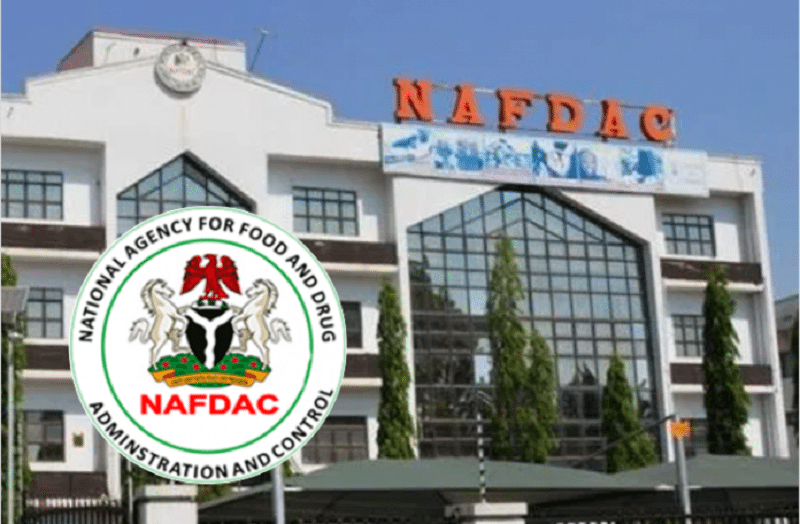

The National Agency for Food and Drugs Administration and Control (NAFDAC) on Wednesday said cosmetic products, food and beverages accounted for over 50 per cent of counterfeits products in the country.
NAFDAC Director-General, Prof. Mojisola Adeyeye, made this known at a news conference organised by the agency to commemorate the 2026 International Anti-Counterfeit Month observed globally in June.
Adeyeye, represented by Dr Martins Iluyomade, the Director of Investigation and Enforcement, NAFDAC, said the percentage was based on the volume of counterfeit and fake cosmetics, good and beverages confiscated by NAFDAC.
She added that fake and substandard medicines containing incorrect ingredients, insufficient active pharmaceutical substances, or no active ingredients in circulation were also seized during its various operations across the country.
“Cosmetics account for the most counterfeited products in Nigeria, followed by food and beverages, accounting for more than 50 per cent of seizures.
“Pharmaceuticals also account for significant proportion of NAFDAC’s enforcement activities.
The agency also raised concern over the evolving tactics used by counterfeiters to flood Nigeria’s markets with fake and substandard medicines, warning that the trend posed a serious threat to public health and national security.
The D-G explained that the counterfeiters used online procurement systems that allowed individuals to order counterfeit products directly from foreign manufacturers without leaving Nigeria.
She said they also exploited cargo consolidation systems, known as groupage, to smuggle products into the country.
According to NAFDAC, under the groupage arrangement, multiple importers share a single shipping container, making it difficult for regulators to identify suspicious consignments.
“Previously, importers had to travel abroad, inspect factories and arrange shipments themselves.
“Today, someone can sit comfortably in a shop in Nigeria, place an order online, and have counterfeit products delivered to their doorstep through logistics companies.
“These foreign companies have agents or suppliers that monitor products with high market demand and arrange for w counterfeit versions to be manufactured abroad, particularly in Asia.
“These fake products often replicate the packaging of genuine brands so closely that consumers and even retailers struggle to distinguish them from authentic products,” he said.
“No country in the world can effectively monitor every single package entering through such channels.
“This has become a serious security concern, not just for medicines but for other regulated products,” she said.
To address these challenges, NAFDAC said it had strengthened collaboration with security agencies, including the Nigeria Customs Service and other regulatory bodies.
The D-G said the agency was also working to close regulatory loopholes and improve verification systems that allowed manufacturers to confirm whether imported shipments actually originated from their facilities.
“This fight cannot be won by NAFDAC alone.
“Government institutions, manufacturers, importers, logistics companies, healthcare professionals, media and consumers all have a role to play in safeguarding public health.”
She also commended the judiciary for expediting the prosecution of drug-related cases and securing swift convictions for those involved in the manufactureing and distribution of counterfeit and illicit medicines.
“We have had a number of convictions since last year.
“The most recent was an individual that was sentenced to 40 years in prison in a case that started last November and completed in February,” she said.
The agency urged Nigerians to remain vigilant, purchase medicines only from authorised outlets, verify products using available authentication technologies, and promptly report suspected counterfeit products to the appropriate authorities.


NIGERIA DECIDES

 Davido's Net Worth & Lifestyle
