
BUSINESS
Data governance gaps can make capital costlier for African firms — NGX


The Nigerian Exchange Group (NGX Group) on Tuesday said that weak data governance and unreliable digital systems could make it harder for African businesses to attract investment and increase the risks investors attached to funding them.
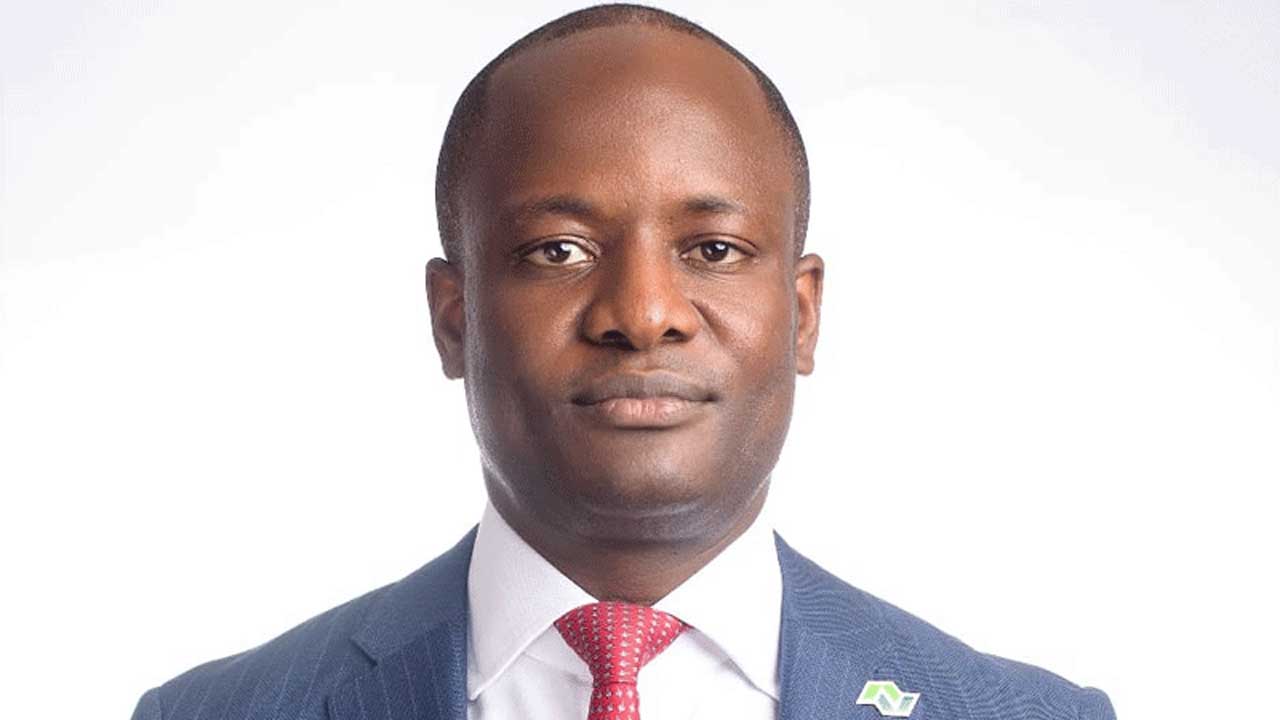
The Group Managing Director, NGX, Mr Temi Poopola said this while delivering a keynote address on ‘Africa Capital Markets in a Data-driven Economy’ at the seventh CIO and C-Suite Conference and Awards Africa 2026 in Lagos.
Popoola, who was represented by Ms Jumoke Olaniyan, Group Chief Strategy Officer, NGX Group, said businesses with reliable data, strong controls and resilient systems were better positioned to earn investors’ confidence.
He described the financial disadvantage associated with weak information and governance as a trust discount.
According to him, investors can demand greater assurances or factor perceived risks into their funding decisions.
“Data strategy is also a business strategy, technology leaders and corporate boards should measure digital investments by their contributions to revenue, growth and access to capital, rather than treating them merely as operating costs,” he said.
Popoola said the consequences of unreliable systems extended beyond information technology failures, potentially delaying transactions, weakening liquidity and undermining investor confidence.
He cited NGX Invest as an example of how reliable digital infrastructure could widen access to capital markets.
According to the NGX Group, the platform has facilitated more than 23 primary-market transactions and supported over N3 trillion in capital raising since its launch in 2024.
He said that through application programming interface, more than 100 digital distribution channels, including banks, stockbrokers, fintech companies and a WhatsApp investment platform were connected.
According to him, NGX Invest is expanding the routes through which investors can participate in Nigeria’s capital market.
On data localisation, Popoola said keeping data within national borders did not automatically guarantee security.
He said that overly restrictive policies could increase costs, limit access to advanced services and complicate cross-border business.
He called for secure, interoperable digital systems that would enable African businesses to operate across markets while complying with different national regulations.
According to him, trusted identities, reliable data and regulatory cooperation are necessary to make regional capital markets more accessible to investors.
Also speaking, Dr Rakiya Yusuf, Director, Payment, System Supervision Department, Central Bank of Nigeria (CBN), said that effective data localisation could stimulate investment in local data centres, cloud services, telecommunications infrastructure and digital platforms.
Yusuf, who spoke on ‘Policy, Regulation and Data Sovereignty’ said that localisation could also improve regulators’ access to information for supervision, investigation and enforcement.
However, she identified infrastructure readiness as a major challenge, noting that successful implementation required reliable electricity, connectivity, data centres, cloud infrastructure and cybersecurity capabilities.
She said inadequate capacity could increase operational costs and reduce efficiency, particularly for financial institutions that depended on cross-border digital services and international technology partnerships.
Yusuf urged financial institutions to treat data localisation as a strategic and risk-management responsibility for their boards, rather than merely an information technology project.
She also called for comprehensive mapping of payment-data flows, stronger cybersecurity and data protection, tested recovery systems and continued engagement with the CBN on implementation challenges.
Meanwhile,Mrs Abiola Laseinde, Convener of the CIO and C-Suite Awards Africa said the conference was designed to move beyond recognising technology leaders to examining issues affecting businesses and ordinary Nigerians.
Laseinde said the awards began during the COVID-19 pandemic to recognise digital transformation leaders, whose work helped organisations navigate the disruption.
She said that organisers introduced policy discussions to help people understand how developments such as data localisation could affect their financial services and everyday digital interactions.
Laseinde said the long-term ambition was to take African technology leaders onto the global stage.
She said that the continent needed to tell its own stories and participate in shaping international technology policies and regulations.
It was reported that the conference had the theme, “Data Localisation: Policy, Prospects and Challenges.”


NIGERIA DECIDES

 Davido's Net Worth & Lifestyle

